Solar in Rhode Island: The Complete 2026 Guide
Everything Rhode Island homeowners and business owners need to know about going solar — costs, incentives, payback timelines, permits, and how to choose the right installer. Written by Newport Renewables, Rhode Island's commercial solar specialist since 2011.
Last updated: May 2026
QUICK ANSWERS
The fast version, if you're in a hurry
Is solar worth it in Rhode Island?
Yes. Rhode Island has some of the highest electricity rates in the United States — Rhode Island Energy commercial customers paid 21.53¢/kWh in 2024, about 30% above the national average. That makes solar payback among the fastest in the country: typically 6–9 years for residential and 4–6 years for commercial systems with full incentives.
How much do solar panels cost in Rhode Island?
A typical 10 kW residential system costs about $29,000–$32,000 before incentives, or roughly $2.90–$3.00 per watt. Commercial systems range from $1.80–$2.40 per watt before incentives, with payback often under 5 years.
What incentives are available?
Rhode Island offers four state-level programs: the 15-year Renewable Energy Growth (REG) Program, net metering, Renewable Energy Fund (REF) grants, and full sales and property tax exemptions. The 30% federal Investment Tax Credit (ITC) and MACRS depreciation (commercial only) stack on top.
How long does the process take?
Most projects take 8–16 weeks from contract to system activation, including permitting and Rhode Island Energy interconnection. Larger commercial projects can take several months.
WHY RHODE ISLAND
One of the best solar markets in the country
Rhode Island sits at the intersection of three factors that make solar economics exceptionally strong: high electricity prices, generous state incentives, and a strong policy commitment to clean energy.
Rhode Island Energy customers pay among the highest electricity rates in the United States. As of 2024, the average commercial rate was 21.53¢/kWh — roughly 30% above the national average — driven by the state's dependence on imported natural gas, limited in-state generation, and high transmission costs. Residential rates run even higher. For property owners, this is bad news for utility bills but very good news for solar payback math: every kilowatt-hour produced on-site is one fewer kilowatt-hour purchased from the grid at premium prices.
On top of that, Rhode Island has built one of the most installer-friendly policy environments in New England. The Renewable Energy Growth Program (REG) offers 20-year fixed-payment contracts. Net metering credits excess production at near-retail rates. Solar equipment is fully exempt from state sales tax and doesn't increase your property taxes. The 2021 Act on Climate set a legal mandate for the state to reach net-zero emissions by 2050, and the updated 2022 Renewable Energy Standard targets 100% renewable electricity by 2033.
Geographically, Rhode Island is small enough — 39 cities and towns across just over 1,000 square miles — that a single installer can credibly cover the entire state, learn every utility quirk, and build relationships with every city's permitting office. That kind of local depth is hard to replicate at scale.
ELECTRICITY COSTS
What Rhode Islanders actually pay for electricity
Rhode Island's electricity costs have climbed sharply over the past several years. Understanding what you currently pay is the starting point for understanding what solar can save you.
Rhode Island commercial rates vs. national average
Source: U.S. Energy Information Administration
Year
RI Commercial Rate (¢/kWh)
US Commercial Rate (¢/kWh)
% Above National Avg
2021
16.64
13.33
+25%
2022
17.68
13.66
+29%
2023
21.09
16.50
+28%
2024
21.53
16.50
+30%
Typical Rhode Island electricity bills and solar economics
Property Type
Monthly Bill
Annual Cost
System Size
Payback
Small home (1,200 sq ft)
$130–$180
$1,560–$2,160
7–8 kW
7–9 yrs
Medium home (2,000 sq ft)
$2,160–$3,360
$180–$280
9–11 kW
6–8 yrs
Small commercial / retail
$7,200–$18,000
$600–$1,500
20–40 kW
5–6 yrs
Mid-size commercial
$30,000–$96,000
$2,500–$8,000
75–200 kW
4–5 yrs
Large commercial / industrial
$120,000+
$10,000+
250 kW+
4–5 yrs
All values and figures provided are approximate and may vary depending on site conditions, usage patterns, weather, and system configuration.
INCENTIVES
Every Rhode Island solar incentive, explained
Rhode Island offers more solar incentives than most states. Federal incentives stack on top. Here's every program you should know about.
01
Federal Investment Tax Credit (ITC) — 30%
Eligible Rhode Island homeowners and businesses may qualify for a federal solar tax credit of up to 30% of total installed system costs, subject to current federal tax regulations and taxpayer eligibility. Commercial projects may also qualify for accelerated MACRS depreciation benefits, potentially reducing overall project costs further when combined with available Rhode Island and utility incentive programs.
02
Renewable Energy Growth (REG) Program
Eligible Rhode Island solar projects may qualify for long-term fixed-rate renewable energy payments through the Renewable Energy Growth (REG) Program. Program terms, compensation rates, and eligibility requirements vary by project size and annual program availability.
03
Net Metering
If your solar system produces more electricity than you use, the extra energy can be sent back to the utility for bill credits. Those credits can help offset future electric bills when your system produces less power, such as at night or during winter months.
Rhode Island allows most solar customers to earn credits for excess production, and virtual net metering may be available for certain multi-meter or multi-building properties, subject to utility and program rules.
04
Renewable Energy Fund (REF) Grants
Some commercial, nonprofit, municipal, agricultural, and educational solar projects in Rhode Island may qualify for grants through programs administered by the Rhode Island Infrastructure Bank and state energy agencies.
Grant availability, funding amounts, and eligibility requirements vary by program cycle and project type.
05
Sales Tax Exemption (7%)
Eligible solar energy equipment installed in Rhode Island is generally exempt from the state’s 7% sales tax, helping reduce overall project cost.
This commonly includes solar panels, inverters, mounting equipment, and certain related system components.
06
Property Tax Exemption
Rhode Island law allows qualifying renewable energy systems to be excluded from additional property tax assessments in many cases, helping homeowners and businesses add solar without increasing taxable property value.
Local assessment practices may vary by municipality.
07
C-PACE Financing (commercial)
Qualified businesses and commercial property owners may be able to finance solar improvements through Commercial Property Assessed Clean Energy (C-PACE) programs.
Repayment is typically made over time through a property tax assessment and may transfer to a future owner if the property is sold, subject to program terms.
09
USDA REAP Grants (agricultural)
Eligible agricultural operations and rural businesses may qualify for USDA Rural Energy for America Program (REAP) grants and loan guarantees to help reduce the cost of installing solar energy systems.
Funding levels and eligibility requirements vary annually and are subject to USDA approval.
THE PROCESS
What to expect: from contract to energy
Here's the typical timeline for a solar project in Rhode Island, from first conversation to the day your system turns on.
01
Site assessment
A solar site assessment evaluates roof condition, shading, electrical service, and historical energy usage. This determines system feasibility and optimal system size. Commercial projects in Rhode Island may also require structural engineering review.
02
System Design & Proposal
A custom system design is created based on your energy needs and property layout. The proposal includes equipment specifications, estimated solar production, financial savings, and total system cost. This step helps homeowners compare ROI before committing.
03
Contract & Financing
Once approved, contracts are signed and financing is finalized if needed. Residential customers typically choose between loans, leases, or cash purchases. Commercial projects may begin REG participation or C-PACE financing applications.
04
Permitting
Local building and electrical permits are submitted for approval. Some Rhode Island municipalities process solar permits faster due to streamlined review programs. Historic district properties may require additional approval time.
05
Installation
Solar panels, inverters, and electrical components are installed once permits are approved. Most residential systems are completed within a single day. Larger commercial systems take longer depending on project size and complexity.
06
Inspections
Local authorities perform electrical and building inspections to ensure code compliance. The system must pass all required safety checks before activation. Any corrections may extend this stage slightly.
07
Utility Interconnection & PTO
Rhode Island Energy reviews the system for interconnection approval after inspections are passed. Meter upgrades or changes may be required before final approval. Permission to Operate (PTO) is issued before the system can be turned on.
08
Activation & Monitoring
Once PTO is granted, the system is activated and begins producing electricity immediately. Monitoring systems are enabled to track performance in real time. Any excess energy is exported to the grid under applicable net metering rules.
BY PROPERTY TYPE
Solar by what you own
Different properties have different solar economics, design considerations, and incentive paths. As a leader in Rhode Island's commercial solar industry, Newport Renewables offers solutions and opportunites for all types of verticals. Find your property type below.
New custom home builds
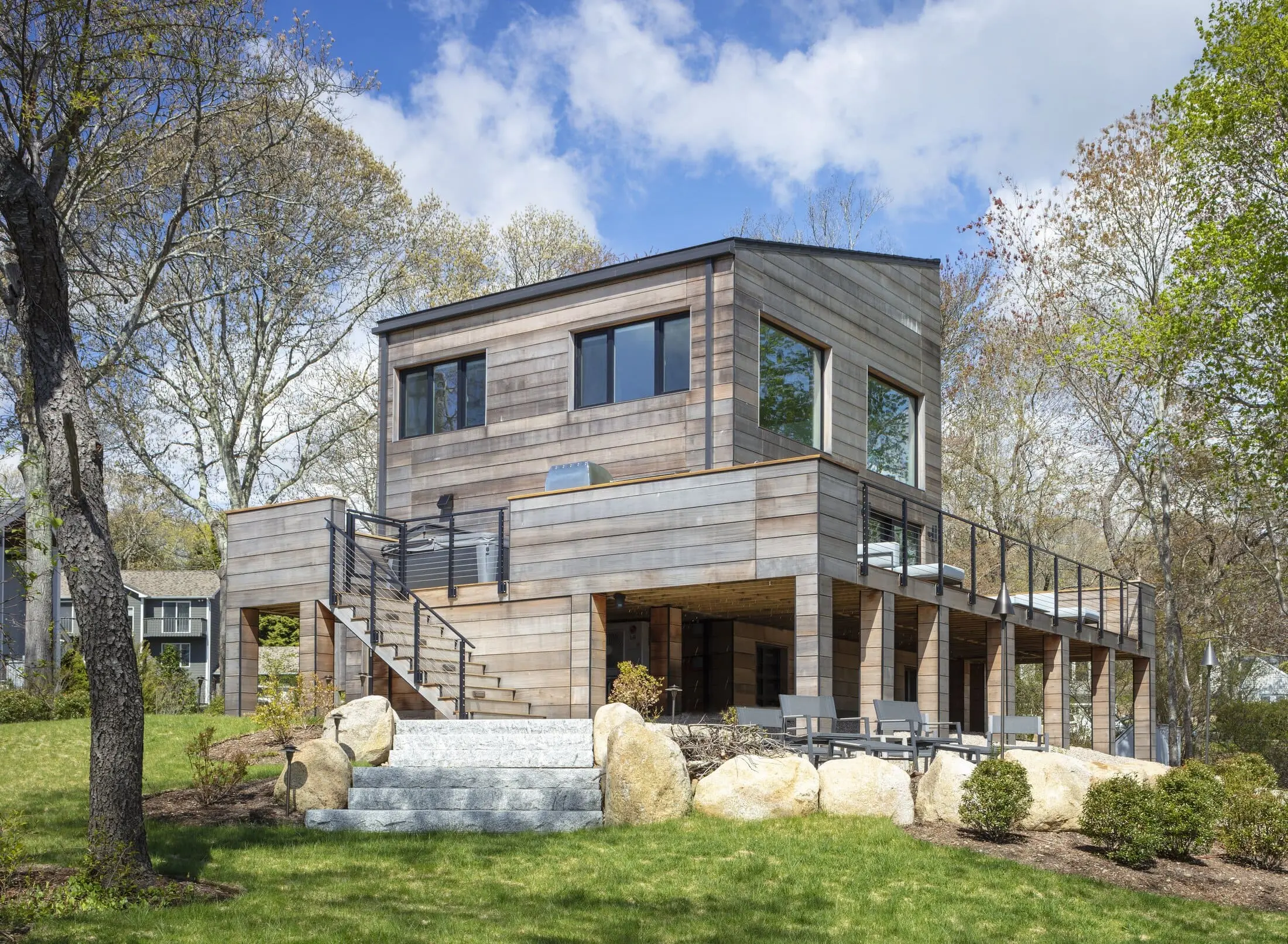
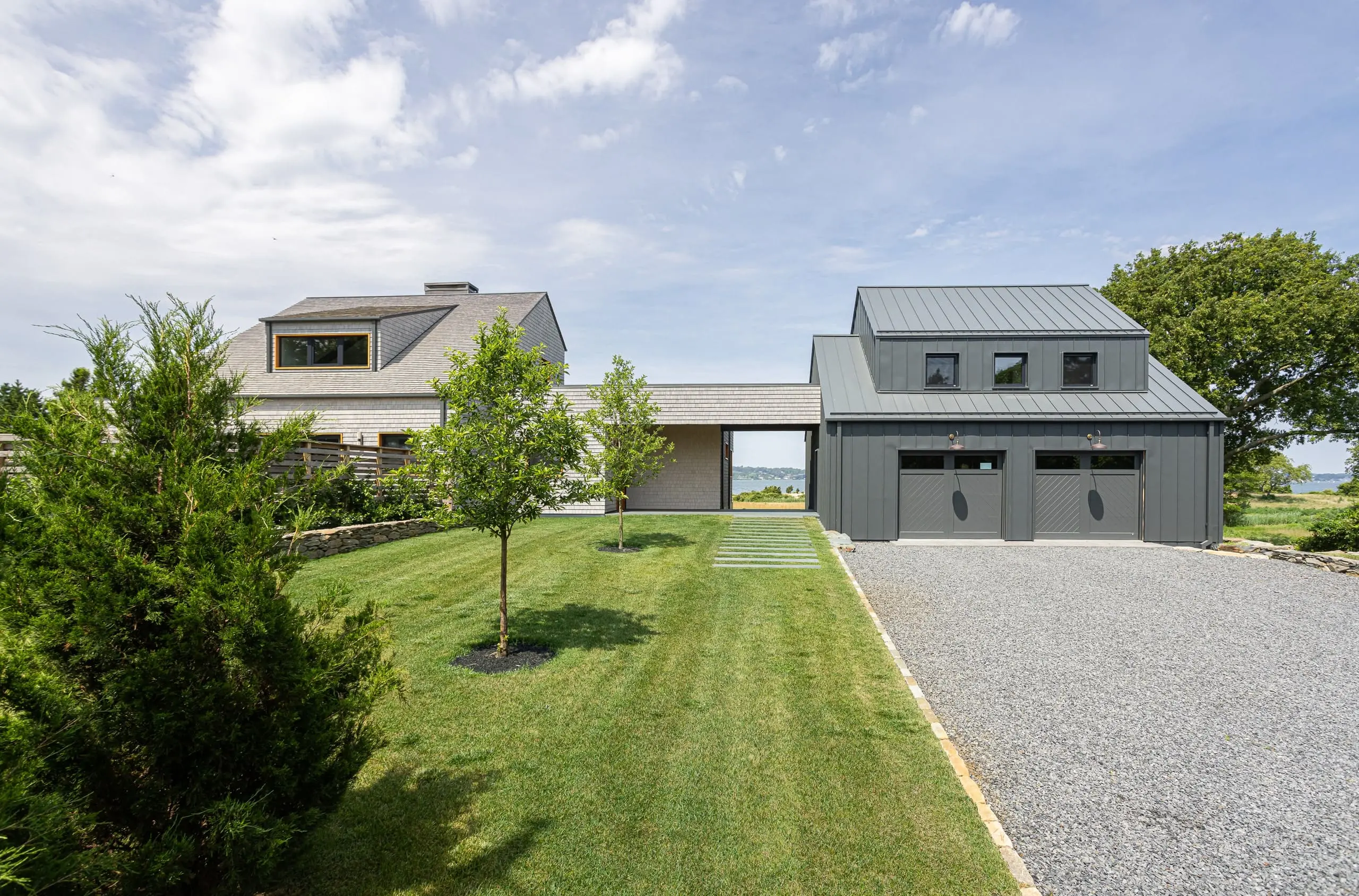
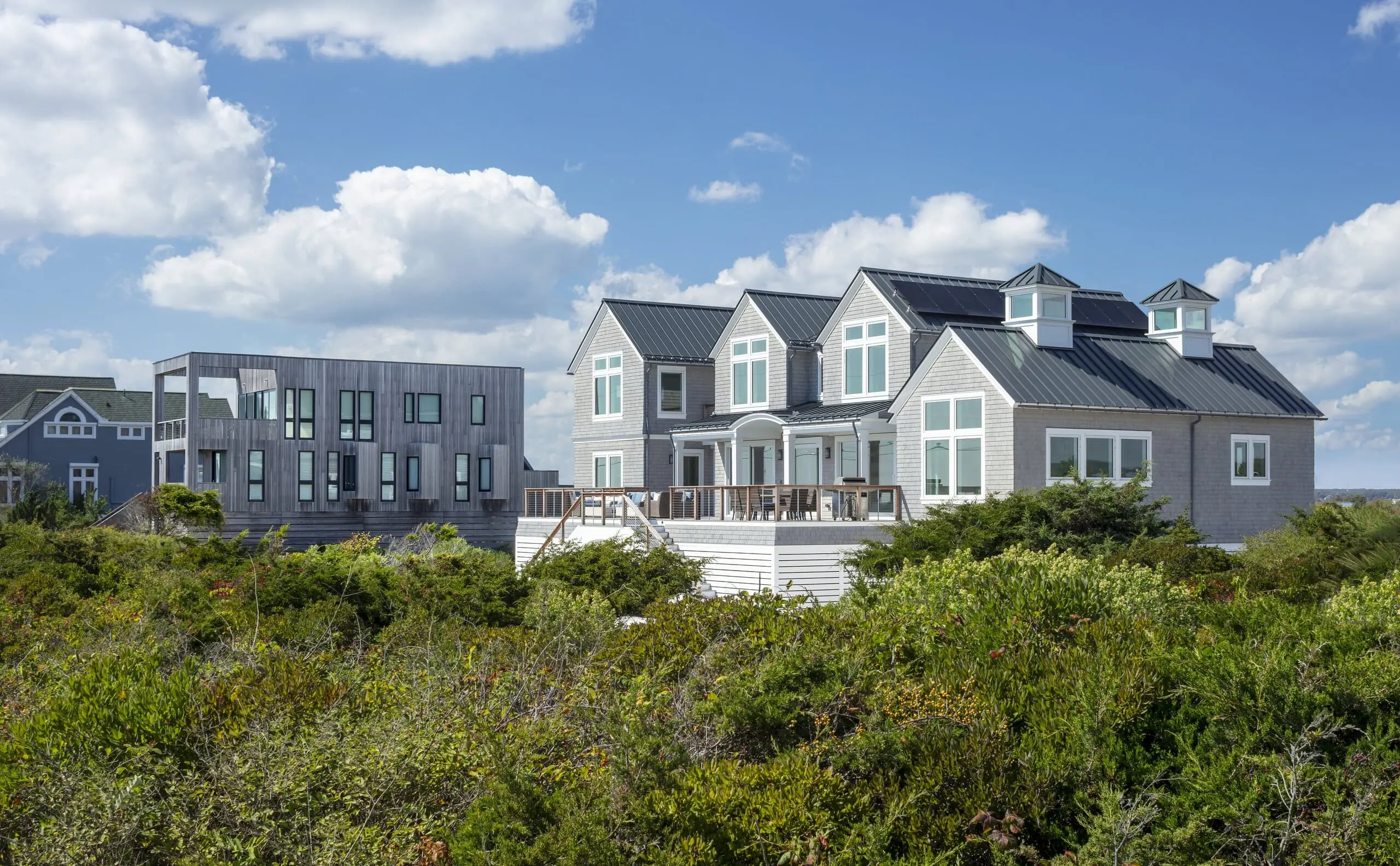
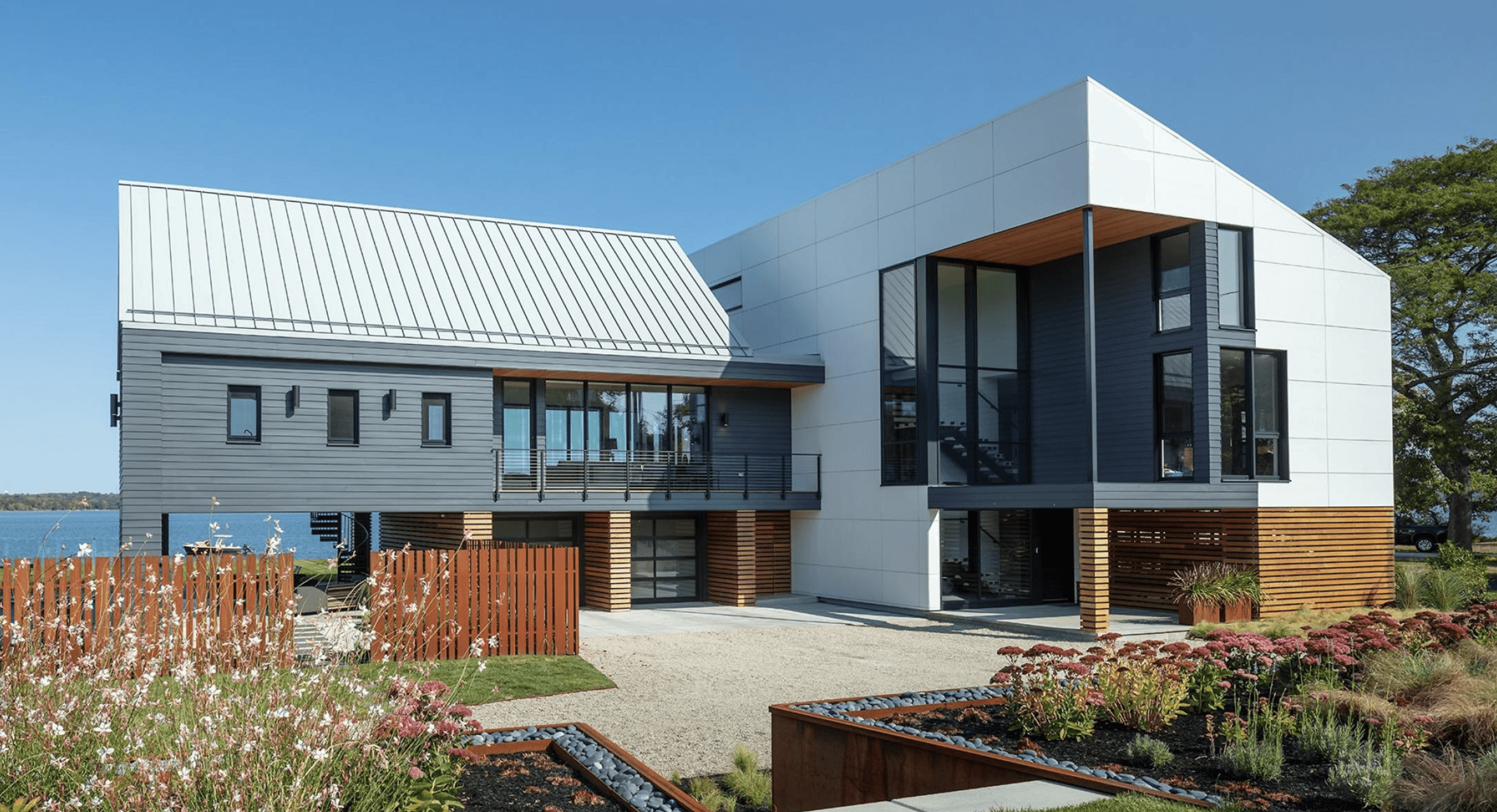
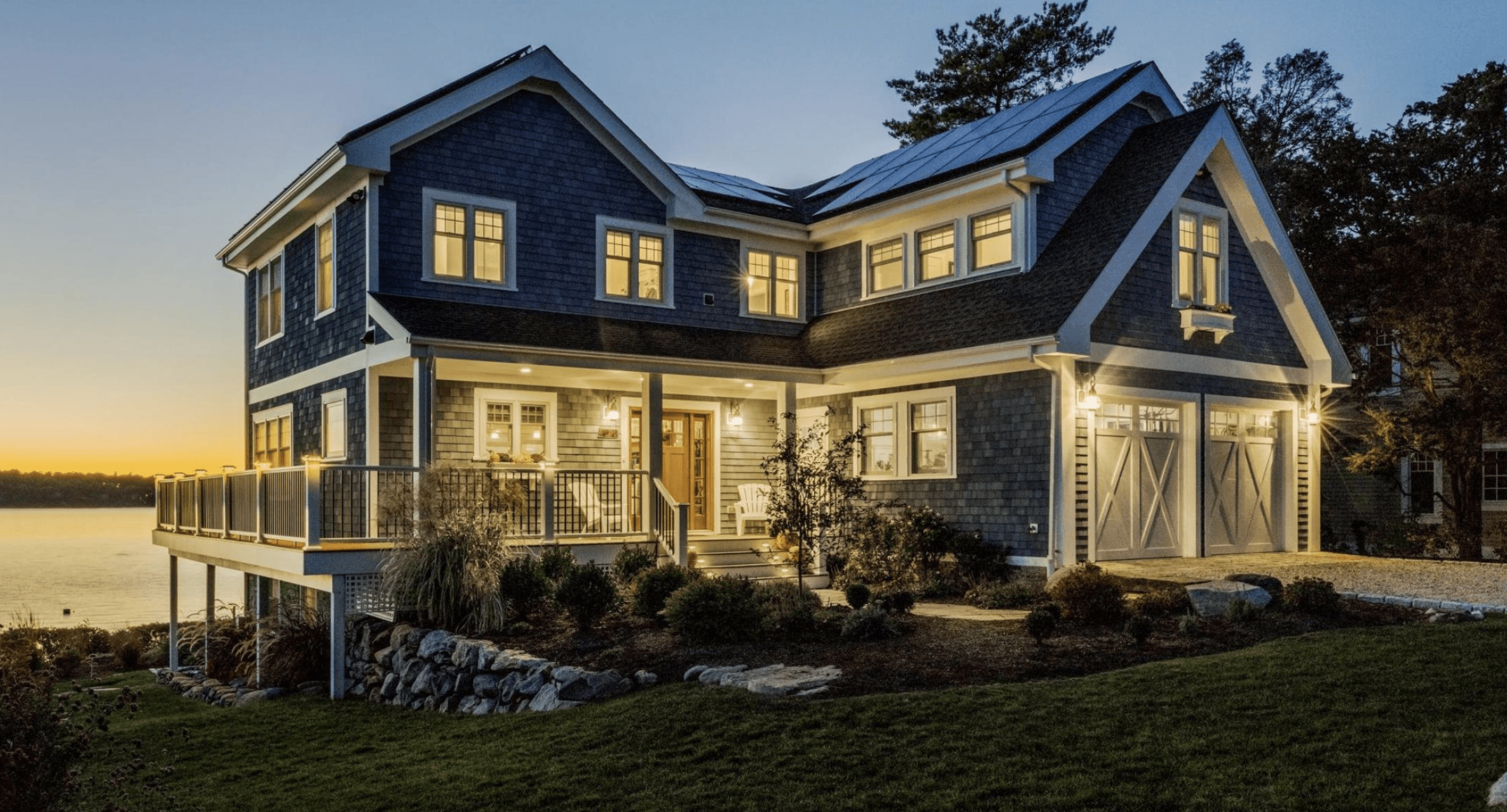
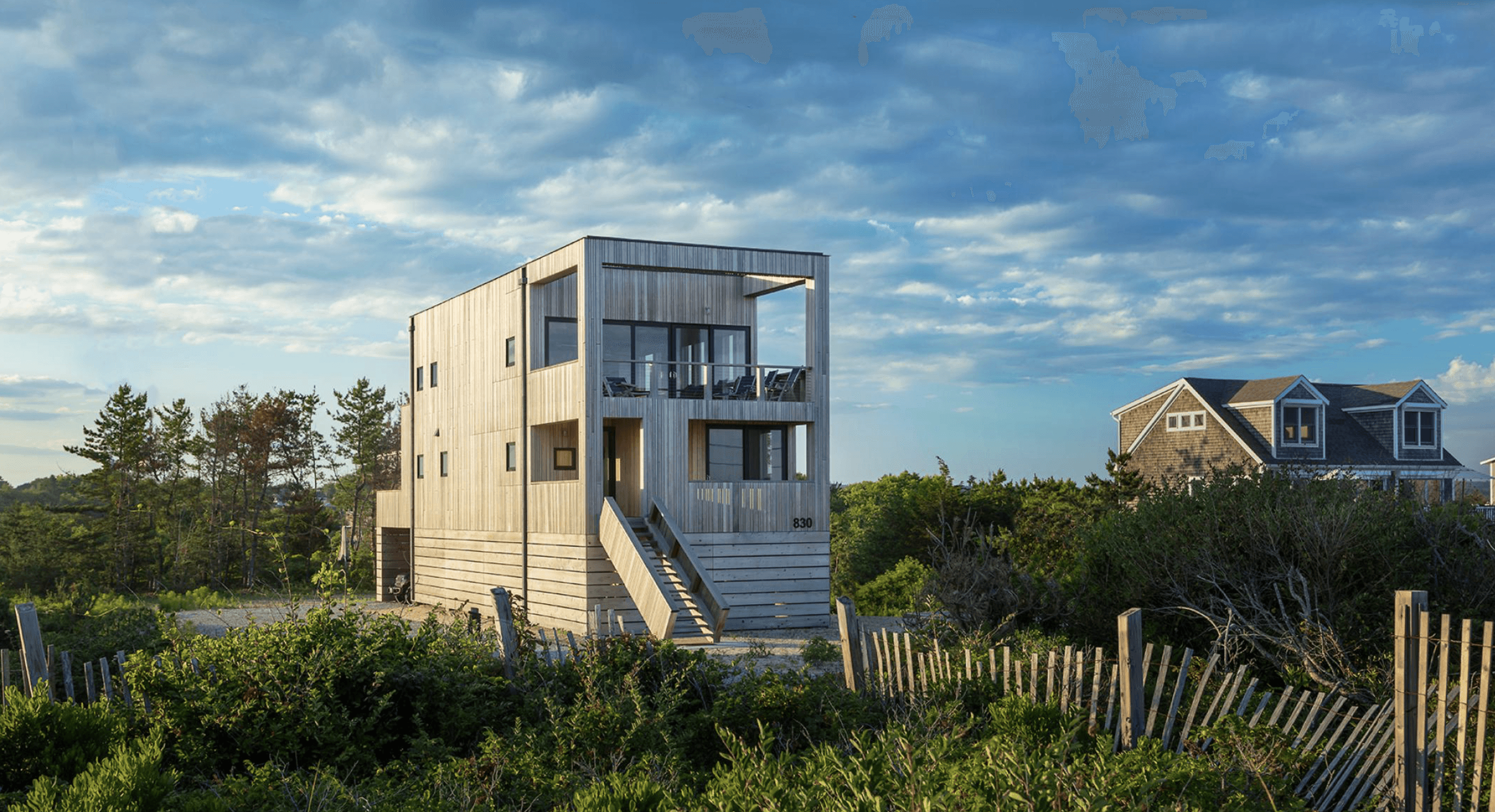
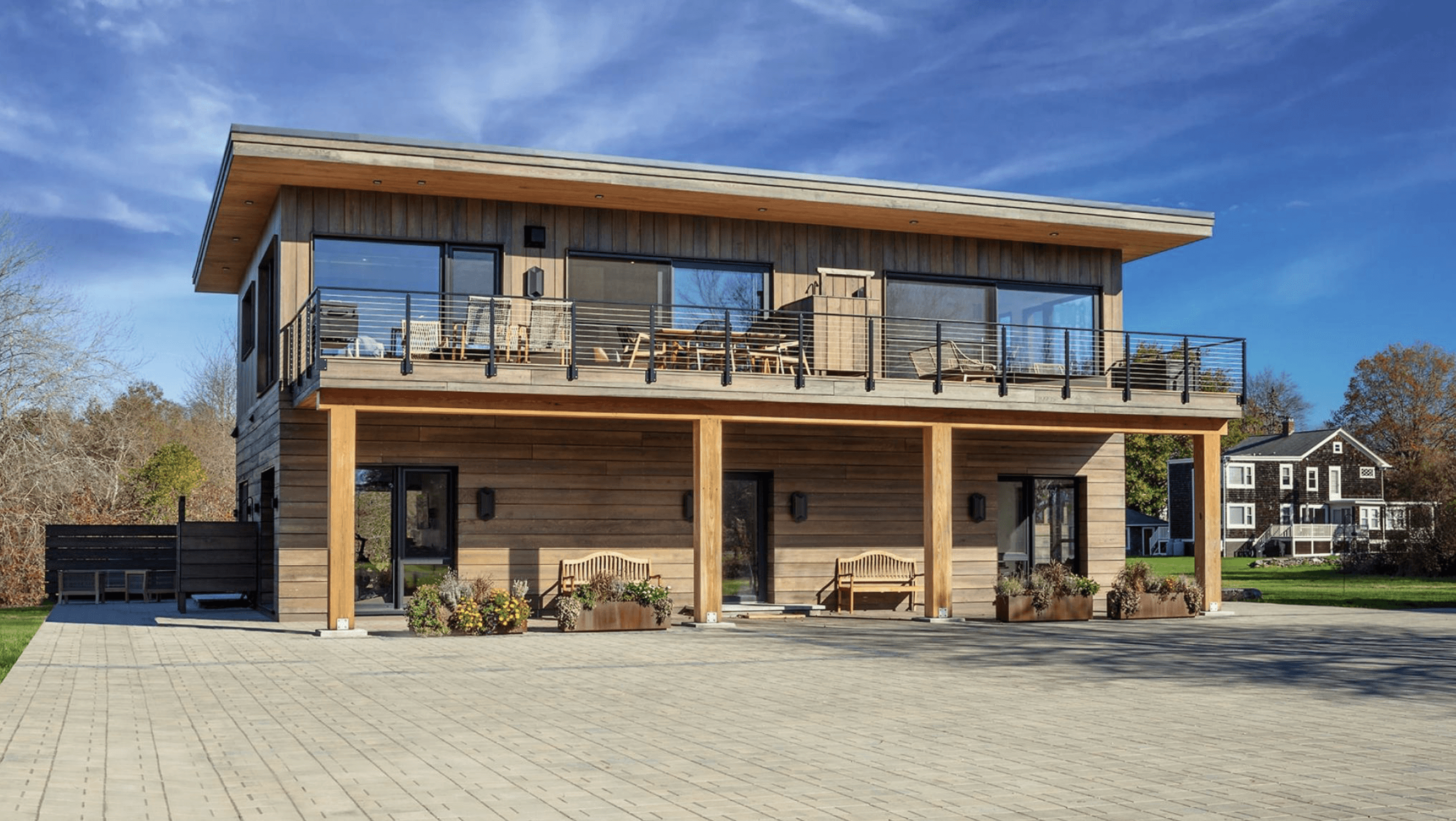
Building a new home in Rhode Island? Newport Renewables designs full custom homes with integrated zero-energy systems — solar, storage, and electric-ready infrastructure built in from the foundation up.
Commercial office & retail
Commercial buildings benefit from MACRS depreciation alongside the ITC. Demand charge reduction is a major value driver. Payback typically runs 4–6 years.
Warehouses & manufacturing
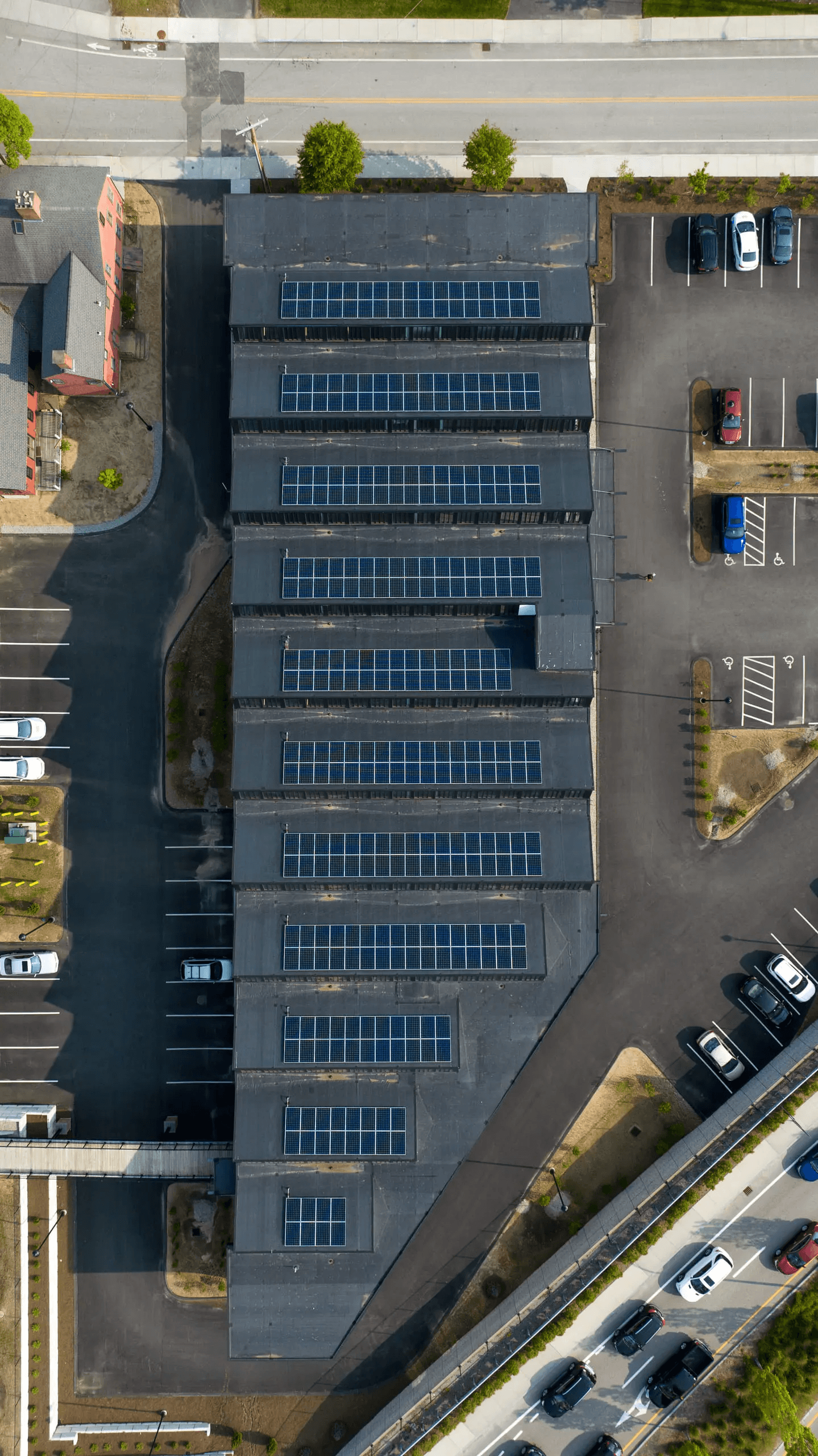
Large flat roofs make warehouses ideal solar candidates. Systems of 100–500 kW are common, with strong payback math and substantial REG potential.
Real estate developers
Developers can use virtual net metering across portfolios, host community solar arrays for tenants, or sell power through REG. Solar increases NOI and attracts ESG-driven tenants.
Landowners with acreage
If you own 5+ acres of available land in Rhode Island, a solar project can generate predictable long-term income.
Municipal buildings & schools
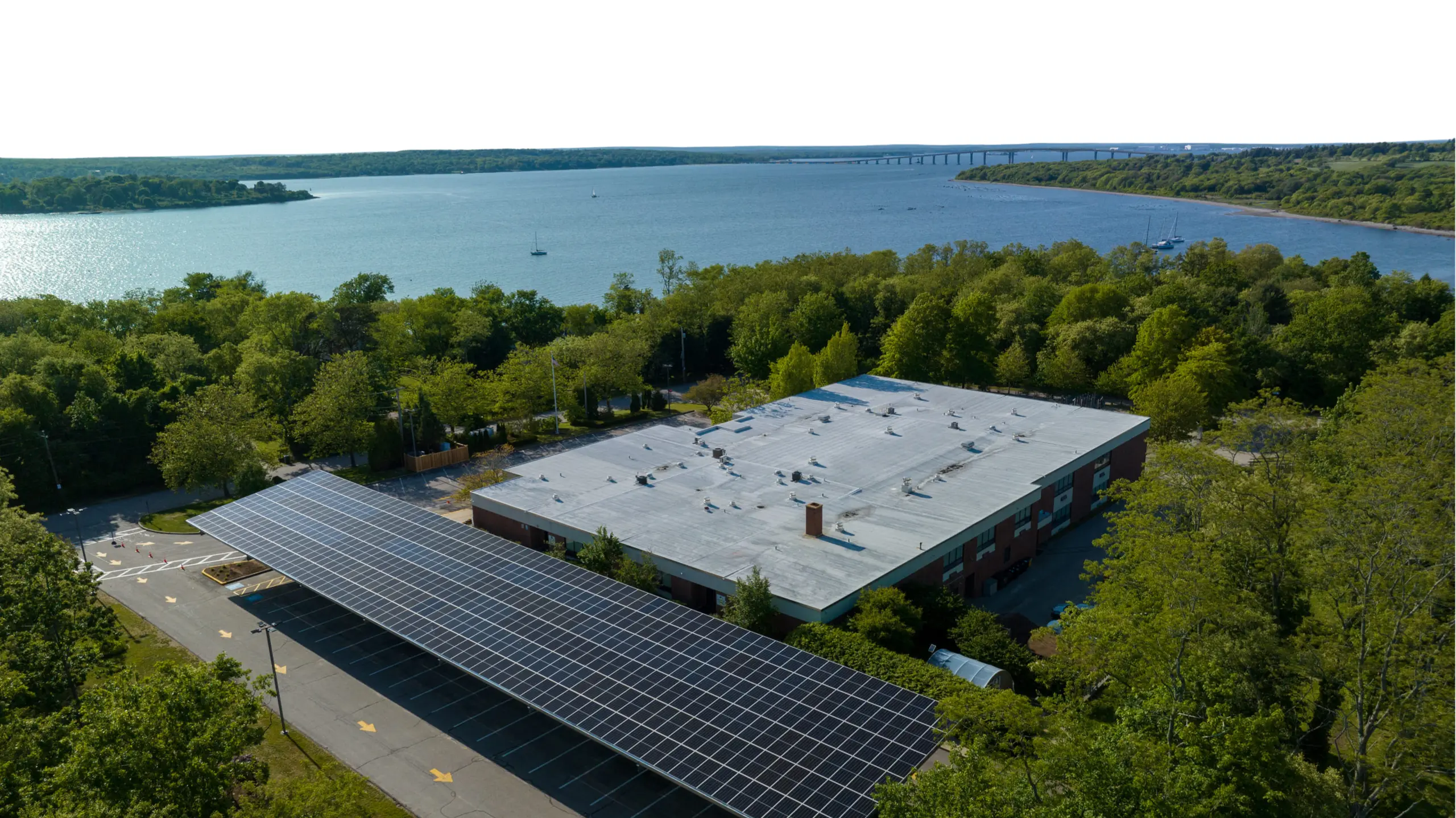
Public and educational institutions can stack REF grants, REG contracts, and direct-pay ITC for exceptional project economics.
State government
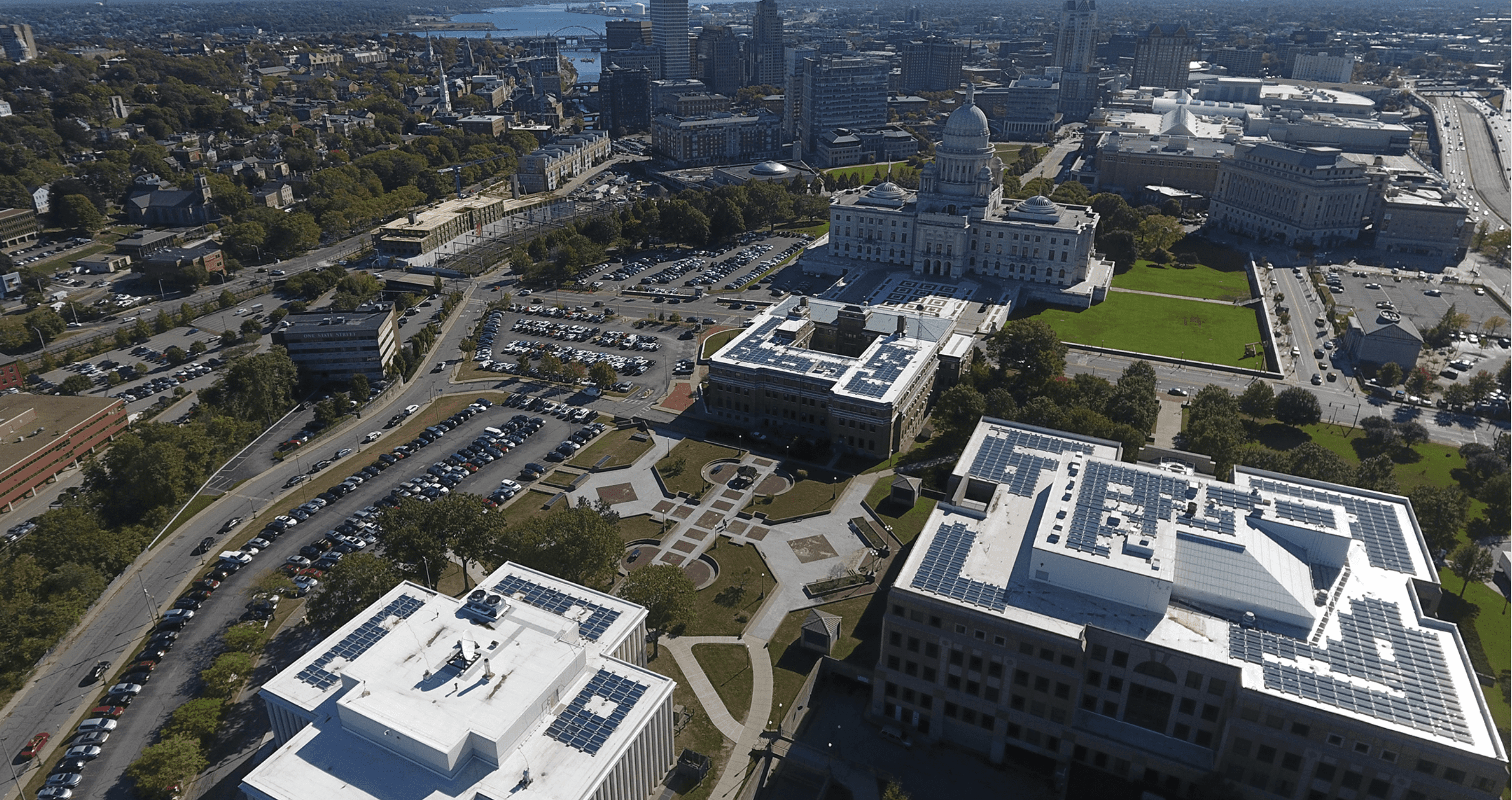
Newport Renewables has installed solar on three Rhode Island State Capitol buildings, plus state agency facilities across the state.
Federal & military
Federal facilities and military installations in Rhode Island can leverage solar for resilience, mission continuity, and decarbonization mandates.
Ground-mount & utility-scale
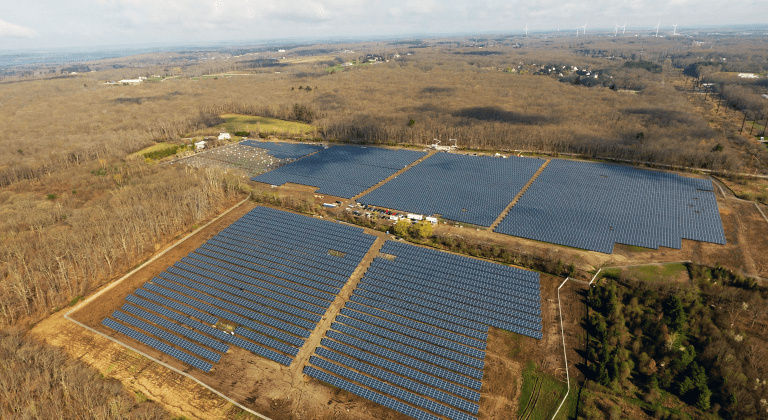
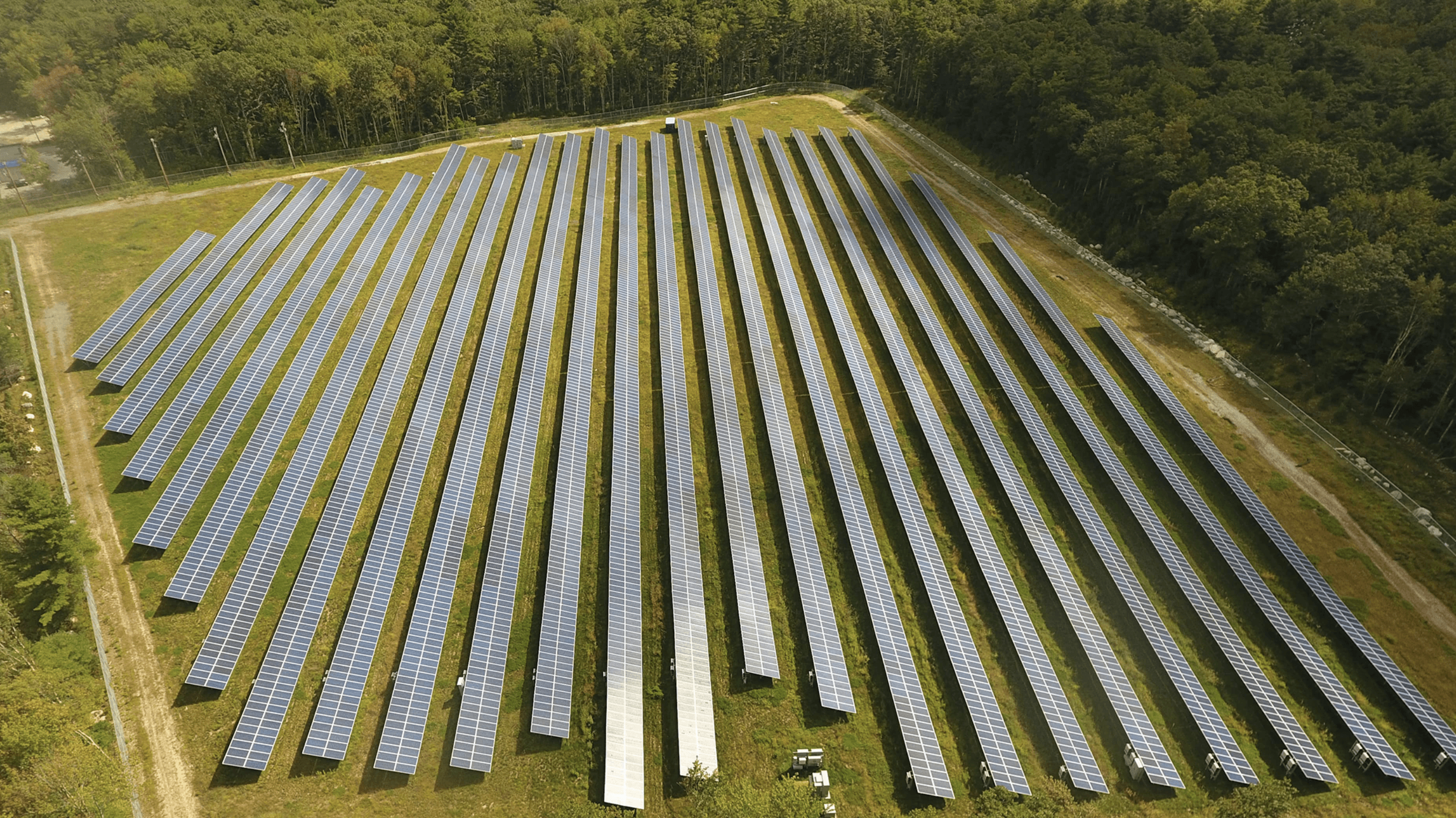
Property owners with available land can develop ground-mount projects that sell through REG or operate as community solar arrays.
CASE STUDY
$142K first-year savings. $3M long-term payoff.
A real Newport Renewables project, with real numbers.
How a 250,000 sq ft distribution warehouse turned its roof into a $3M asset
520 KW WAREHOUSE ROOFTOP
A 250,000-square-foot distribution warehouse was facing summer electric bills exceeding $18,000 per month—until Newport Renewables stepped in. We installed a 520 kW rooftop solar system that now offsets 69% of the facility’s total energy load. Leveraging our deep familiarity with solar programs and incentives, the $1.33 million project achieved a net cost of just $766,000 and delivered $142,000 in energy savings in its first year alone.
520 kW
SYSTEM SIZE
69%
ENERGY OFFSET
5.4 yrs
PAYBACK PERIOD
19.3%
RATE OF RETURN
$142K
FIRST-YEAR SAVINGS
$3M
25-YEAR CASH FLOW
CASE STUDIES
More Newport Renewables Solar Case Studies
How Warwick Public Schools Put Solar on Three Campuses
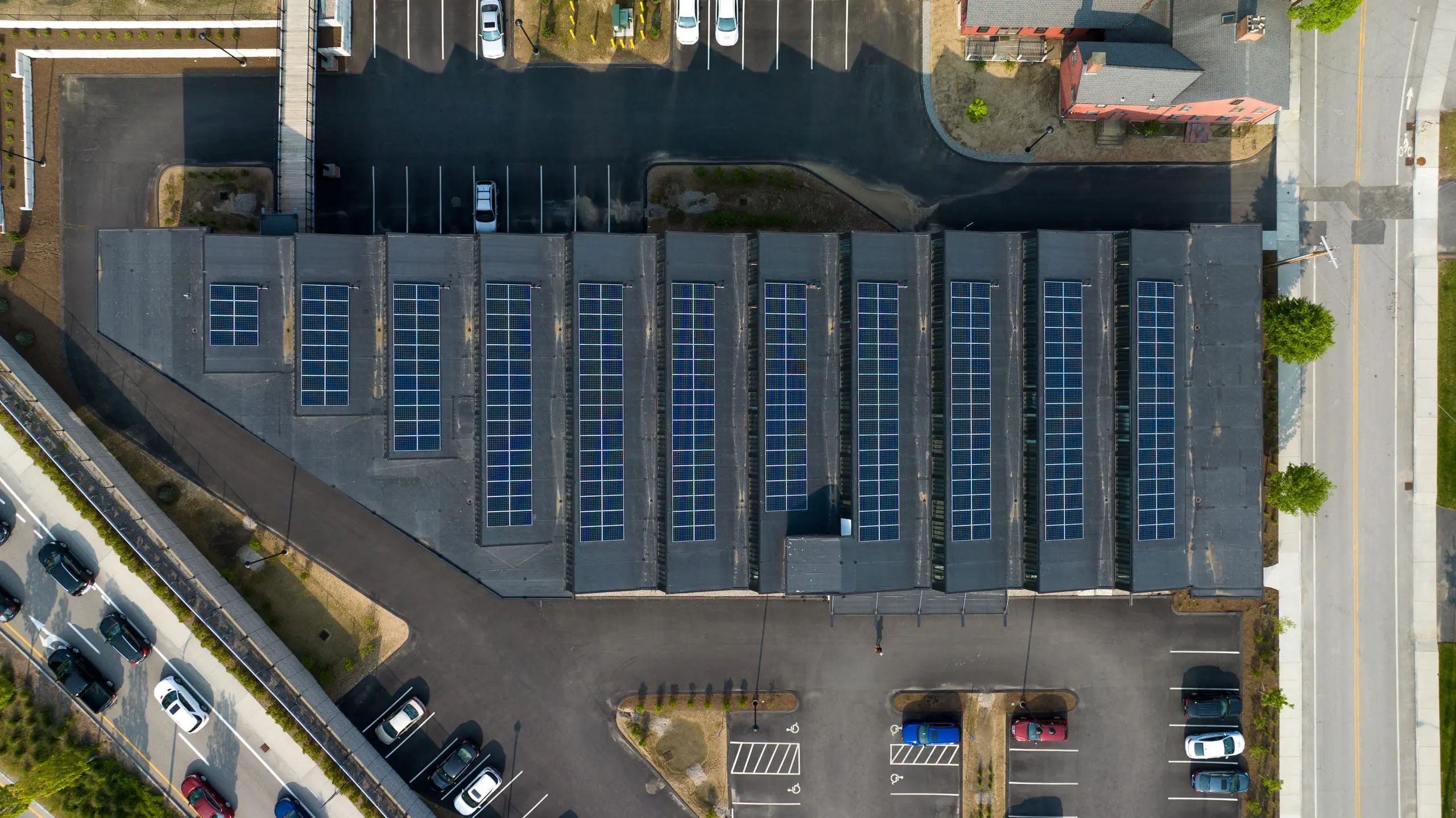
How a Providence Health Center Went Solar for only $172,000
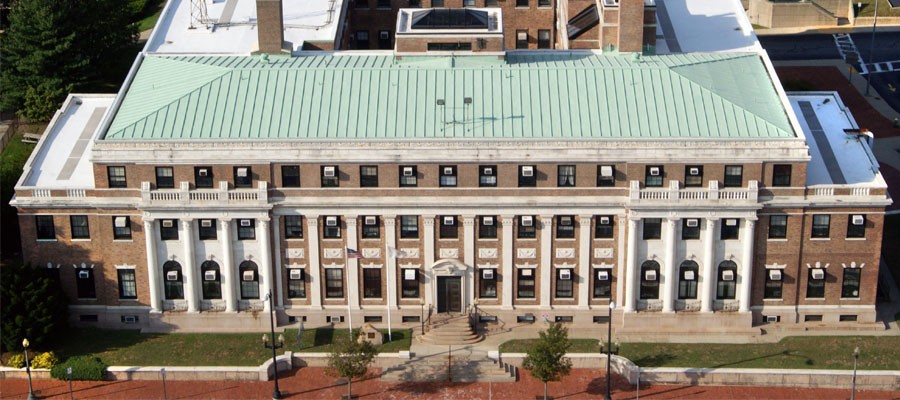
How Rhode Island DOT Went Solar at zero cost
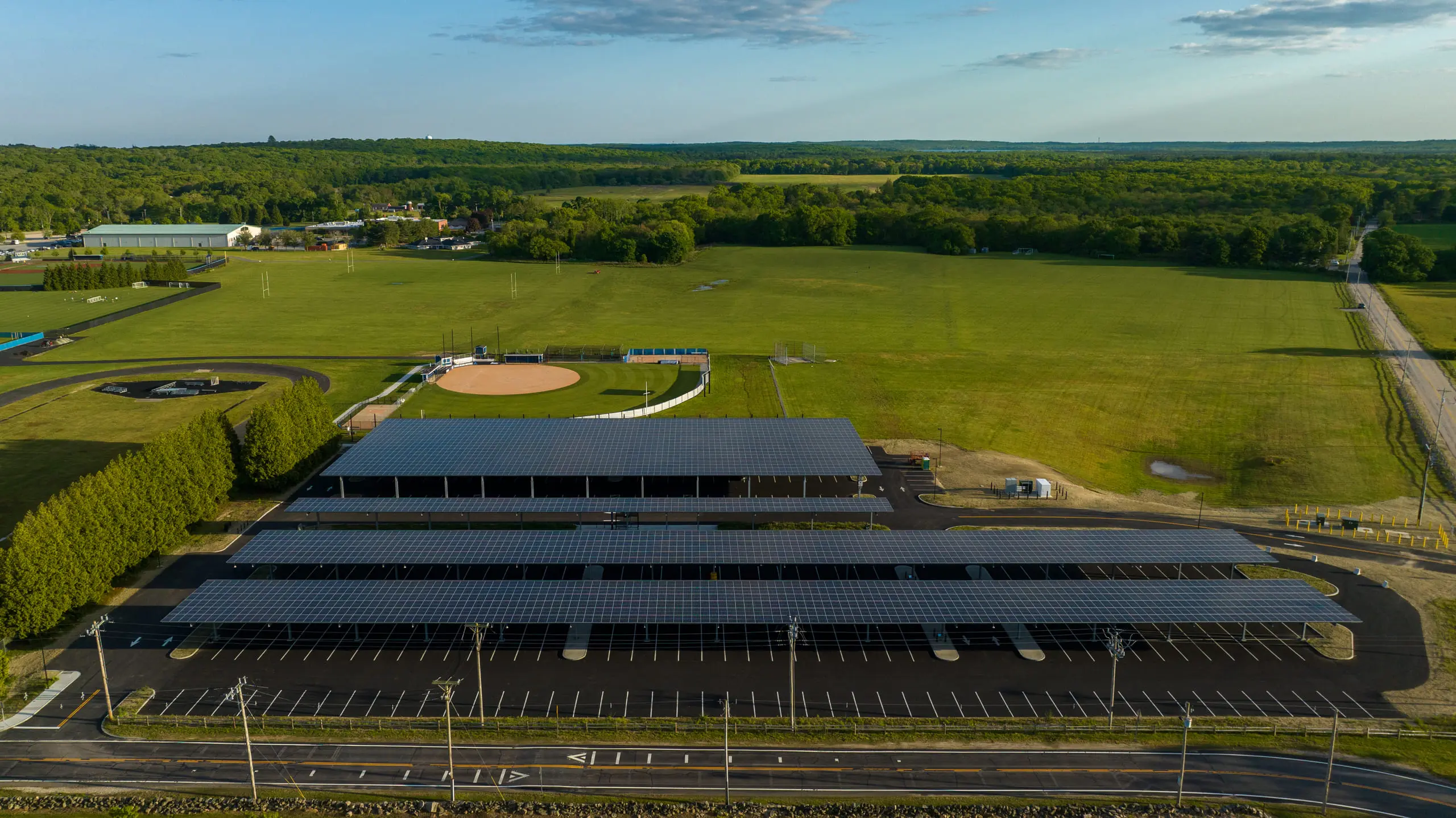
How a Cranston Retail Center Turned Its Parking Lot Into a Revenue Stream
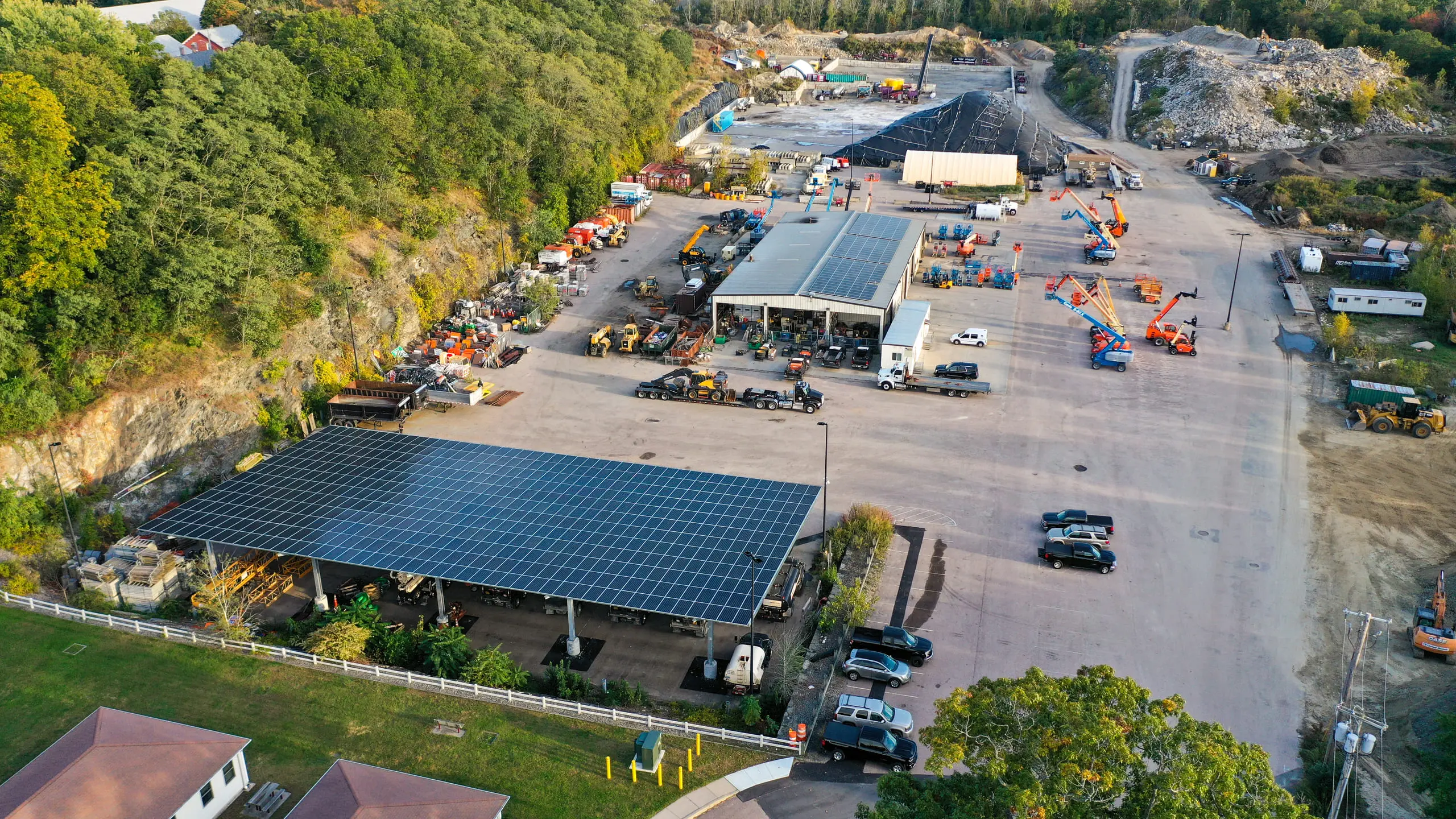
How a Warwick Manufacturing Plant Eliminated 81% of Its Daytime Energy Costs
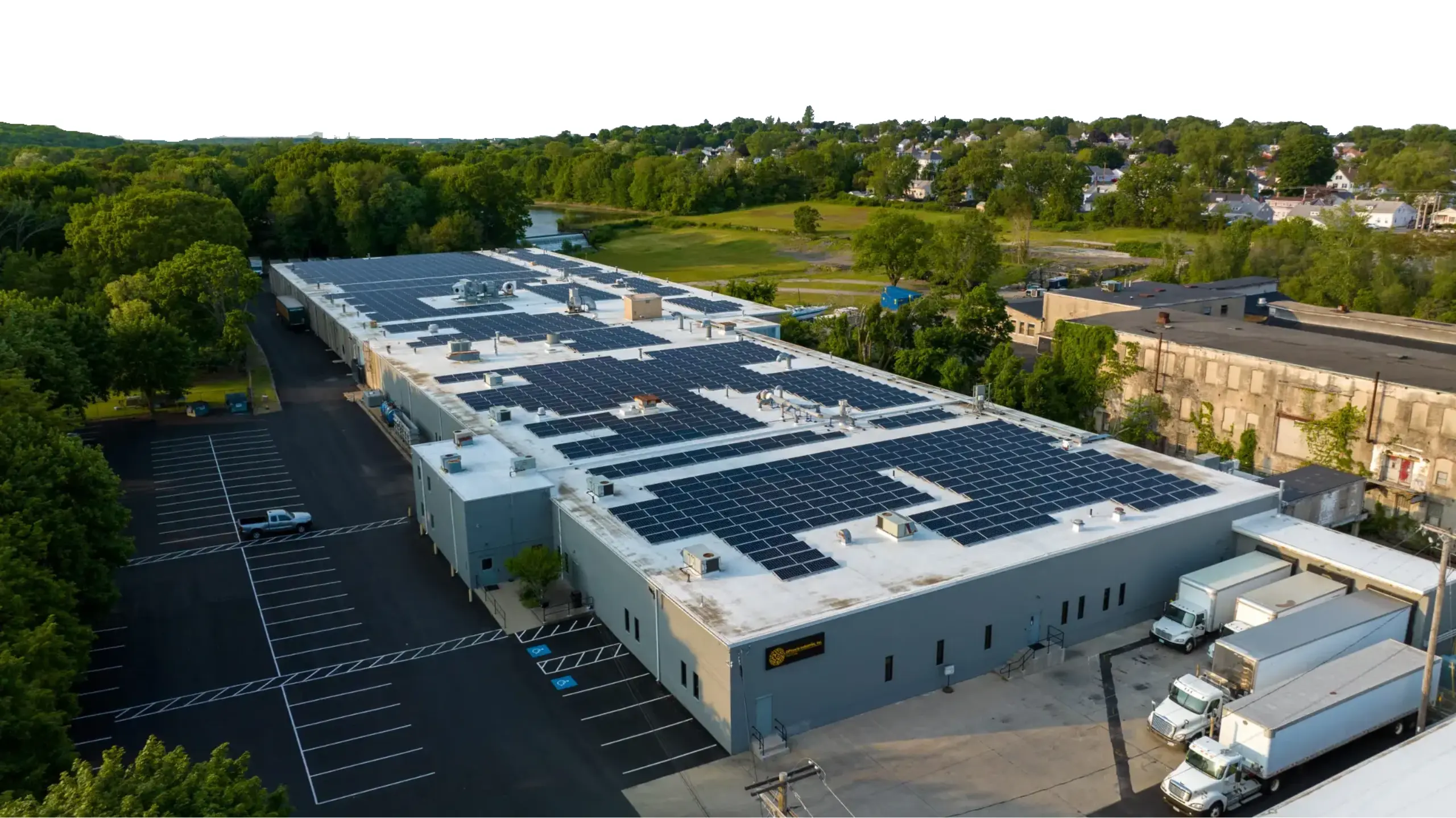
How a Providence Distribution Warehouse Cut Its Energy Bill by 69%
CHOOSING AN INSTALLER
How to choose a solar installer in Rhode Island
Picking the right installer matters more than picking the right equipment. Most panels from reputable manufacturers perform similarly over 25 years. What varies enormously is installation quality, warranty support, and whether your installer will still be in business in 15 years to honor it.
6 questions to ask any RI solar installer
01
Are you licensed in Rhode Island? (Electrical Contractor's or REP license)
02
Do you self-perform installation, or subcontract?
03
How long have you been installing in Rhode Island specifically?
04
Are you licensed in Rhode Island? (Electrical Contractor's or REP license)
05
What are your warranties like?
06
Can I see customer references?
Red flags to watch for
01
Door-to-door sales pressure or "limited time" deals
02
$0 down PPAs with escalator clauses (your payment increases every year)
03
Vague pricing or refusal to put numbers in writing
04
No physical Rhode Island office or local team
05
Inability to provide license numbers, insurance certificates, or local references
06
Significantly below-market pricing (a red flag for cut corners or short-lived companies)
FOR HOMEOWNERS
Two paths if you're a homeowner
Newport Renewables doesn't do residential solar retrofits. But depending on what you're trying to do, we might be the right fit anyway.
Building a new custom home?
We design and build custom homes with integrated zero-energy systems across Rhode Island. This is fundamentally different from adding solar to an existing home — when we design from scratch, every component (orientation, envelope, electrical capacity, HVAC, solar, storage) is optimized together for net-zero performance and long-term value.
Learn about our zero-energy home builds
Adding solar to a home you already own?
We don't do residential retrofits. For existing-home solar in Rhode Island, we'd recommend looking at other installers first.
SERVICE AREAS
Solar across every Rhode Island city
Newport Renewables installs commercial solar across all 39 cities and towns in Rhode Island.
FOR HOMEOWNERS
Newport Renewables — Rhode Island's commercial solar specialist
Newport Renewables is a Rhode Island-based commercial solar installer with 15+ years of in-state experience. Founded by Stuart Flagan and Michael Cabral, the company began as Stateside Precision Group on St. John in the U.S. Virgin Islands before relocating to Rhode Island in 2011.
Since then, we've installed solar across Rhode Island for businesses, municipalities, healthcare systems, multifamily property owners, and educational institutions. Our work includes installations at three Rhode Island State Capitol buildings and rooftop arrays at the Bellecourt of Newport.
We self-perform the majority of our work as licensed electrical contractors. We focus exclusively on commercial, multifamily, institutional, and utility-scale solar — plus zero-energy home builds. That focus is what makes us good at it.
CREDENTIALS & RECOGNITION
15+ years installing in Rhode Island
Top 500 U.S. Solar Contractor (Solar Power World)
Licensed RI electrical contractors — in-house
3 Solar Installations on Rhode Island State Capitol buildings
End-to-end project management
FAQ
Frequently
Asked Questons
Installing a solar system raises a lot of questions. Below are answers to some of the most common questions businesses and organizations ask when exploring the solar design, installation, and operations process.
Start your next solar project with Newport Renewables
Commercial, multifamily, institutional, or a custom zero-energy home build — we'd love to talk.