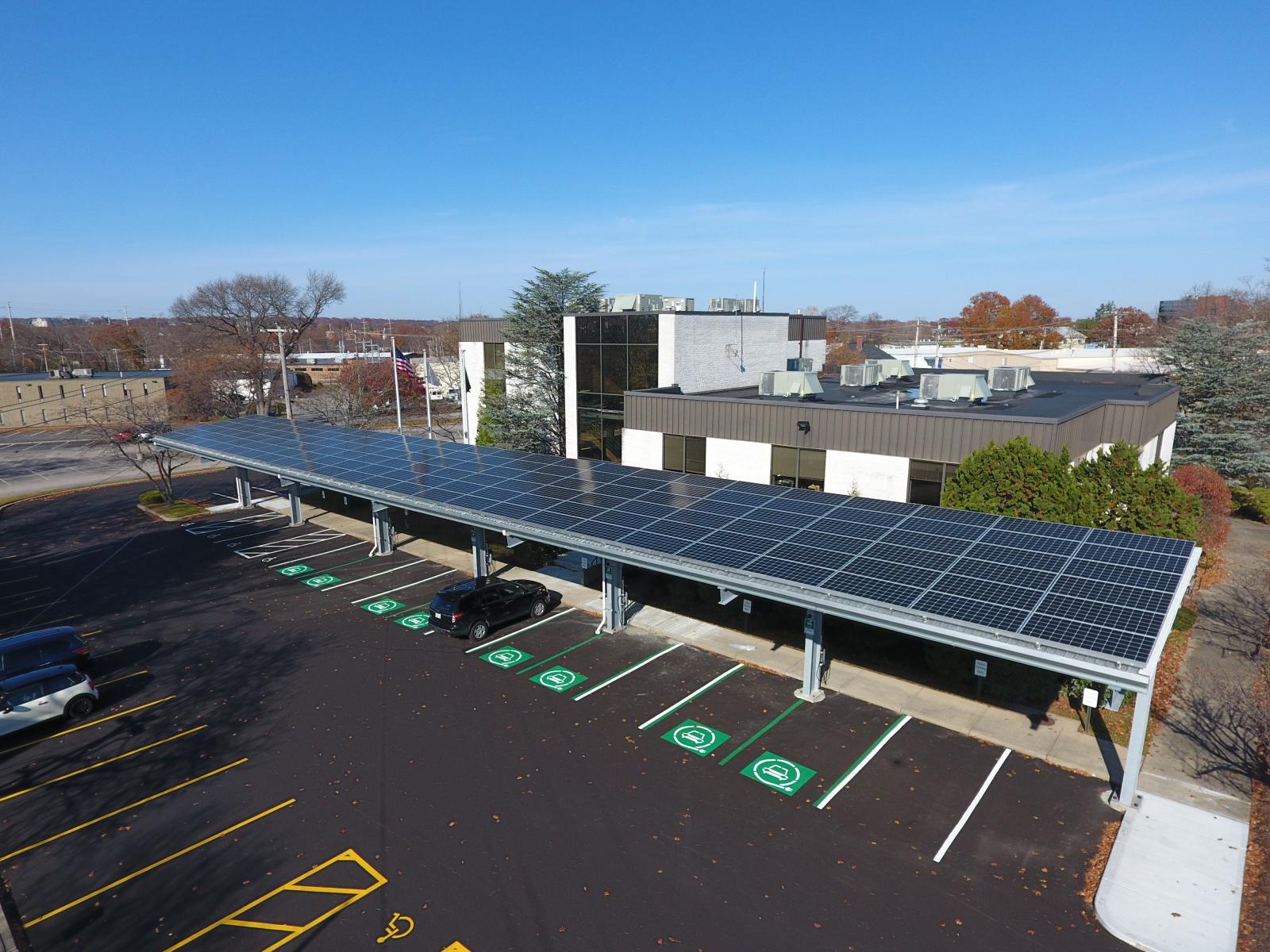
How Rhode Island DOT Went Solar at zero cost

Rhode Island DOT's headquarters and maintenance campus in Cranston carries a substantial electricity load. Like most state agencies, it also operates under the kind of capital budget constraints that make a $1.5 million infrastructure investment a difficult conversation.
In 2024, Newport Renewables installed an 820 kW solar system across the campus — rooftop and ground-mount combined, plus 1 MWh of battery storage — without the state spending a dollar upfront.
The financing structure that made that possible is called a Power Purchase Agreement, or PPA. Rather than purchasing the system outright, the state agreed to buy the electricity it produces at a fixed rate of $0.079 per kilowatt-hour over 25 years. Rhode Island's current National Grid commercial rate is $0.218 per kilowatt-hour. The difference between those two numbers is where the savings come from, and it starts on day one.
What the Battery Adds
The 1 MWh of battery storage isn't just backup power, it also serves as a demand charge management tool. Demand charges are a separate line item on commercial utility bills, calculated based on the peak amount of electricity a facility draws from the grid at any given moment rather than total consumption.
By storing solar energy and deploying it strategically during peak demand windows, the battery reduces those spikes. That alone accounts for $24,000 in annual savings on top of the generation savings from the panels themselves.
The Financial Picture
Zero upfront cost to the state. Year-one taxpayer savings came to $118,000 — combining the difference between the PPA rate and the grid rate, plus the battery's demand charge reduction. Over 25 years, the total projected savings to Rhode Island is $3.62 million.
The state also captures a full 30% federal Investment Tax Credit — an incentive available to government entities that allows them to receive their potential credits as a refund, even if they don’t necessarily have a tax liability to offset.
Every dollar the campus doesn't spend on electricity stays in the general fund.
CASE STUDIES
More Newport Renewables Case Studies

How Warwick Public Schools Put Solar on Three Campuses
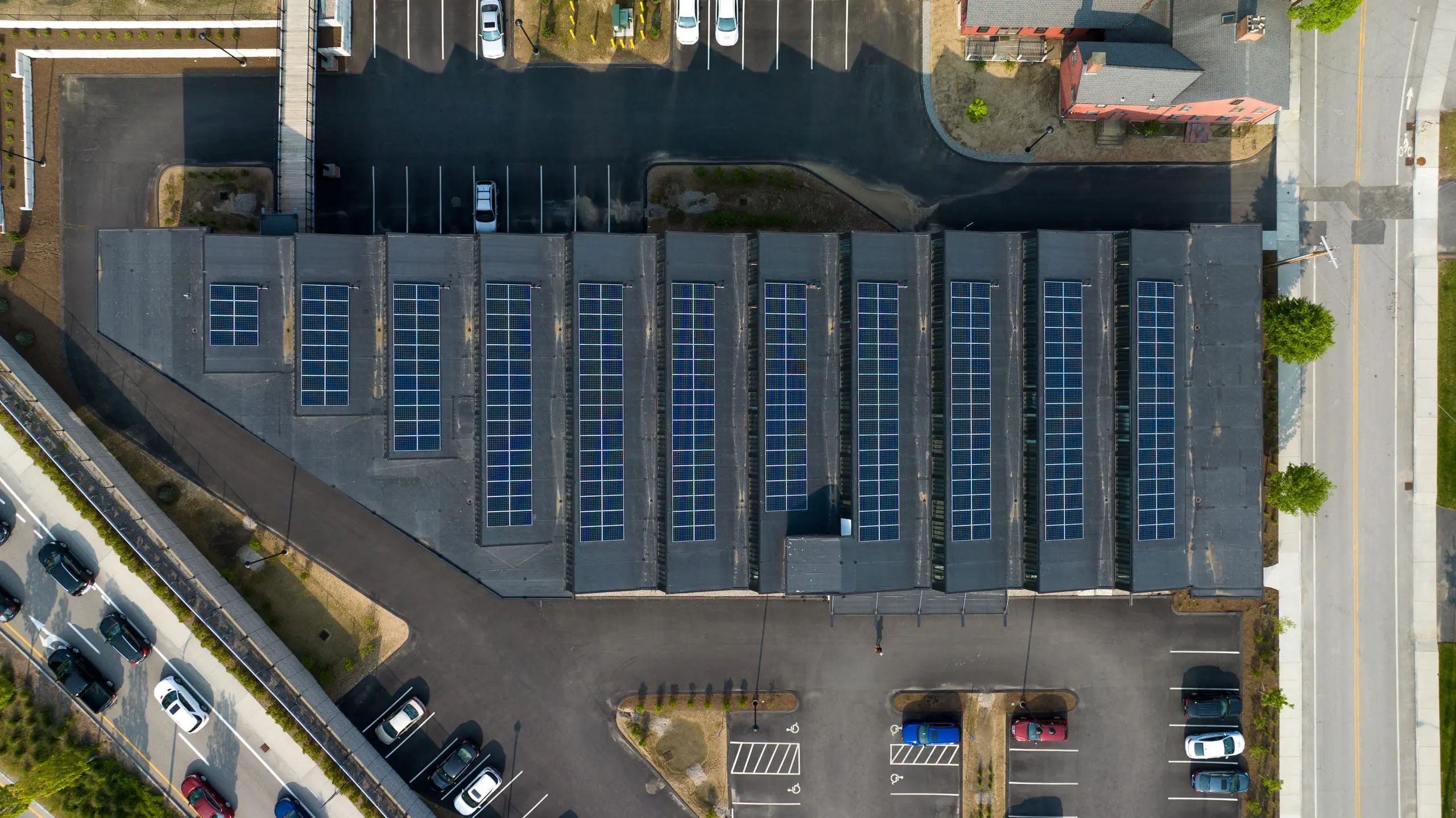
How a Providence Health Center Went Solar for only $172,000
How Rhode Island DOT Went Solar at zero cost
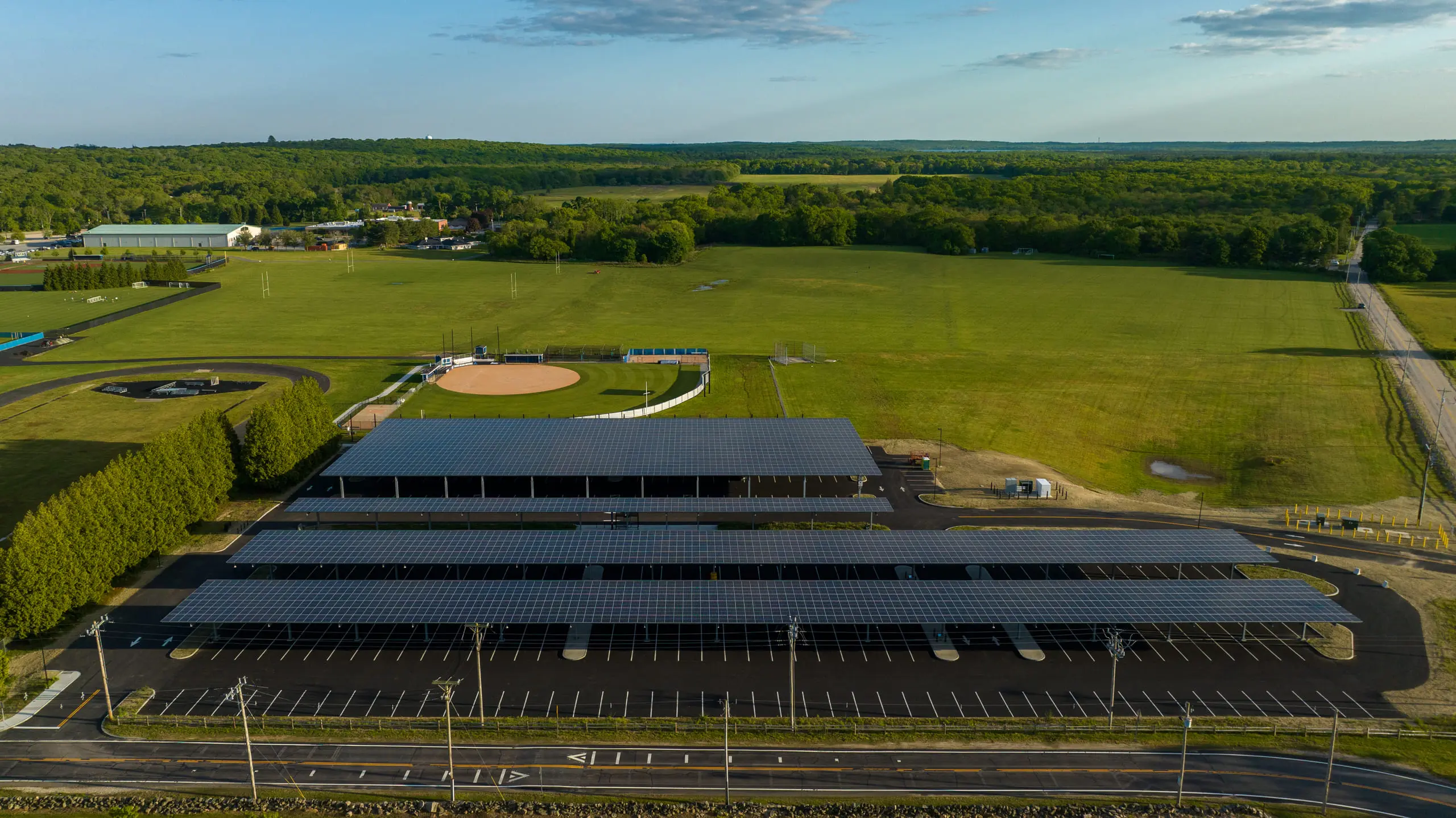
How a Cranston Retail Center Turned Its Parking Lot Into a Revenue Stream

How a Warwick Manufacturing Plant Eliminated 81% of Its Daytime Energy Costs
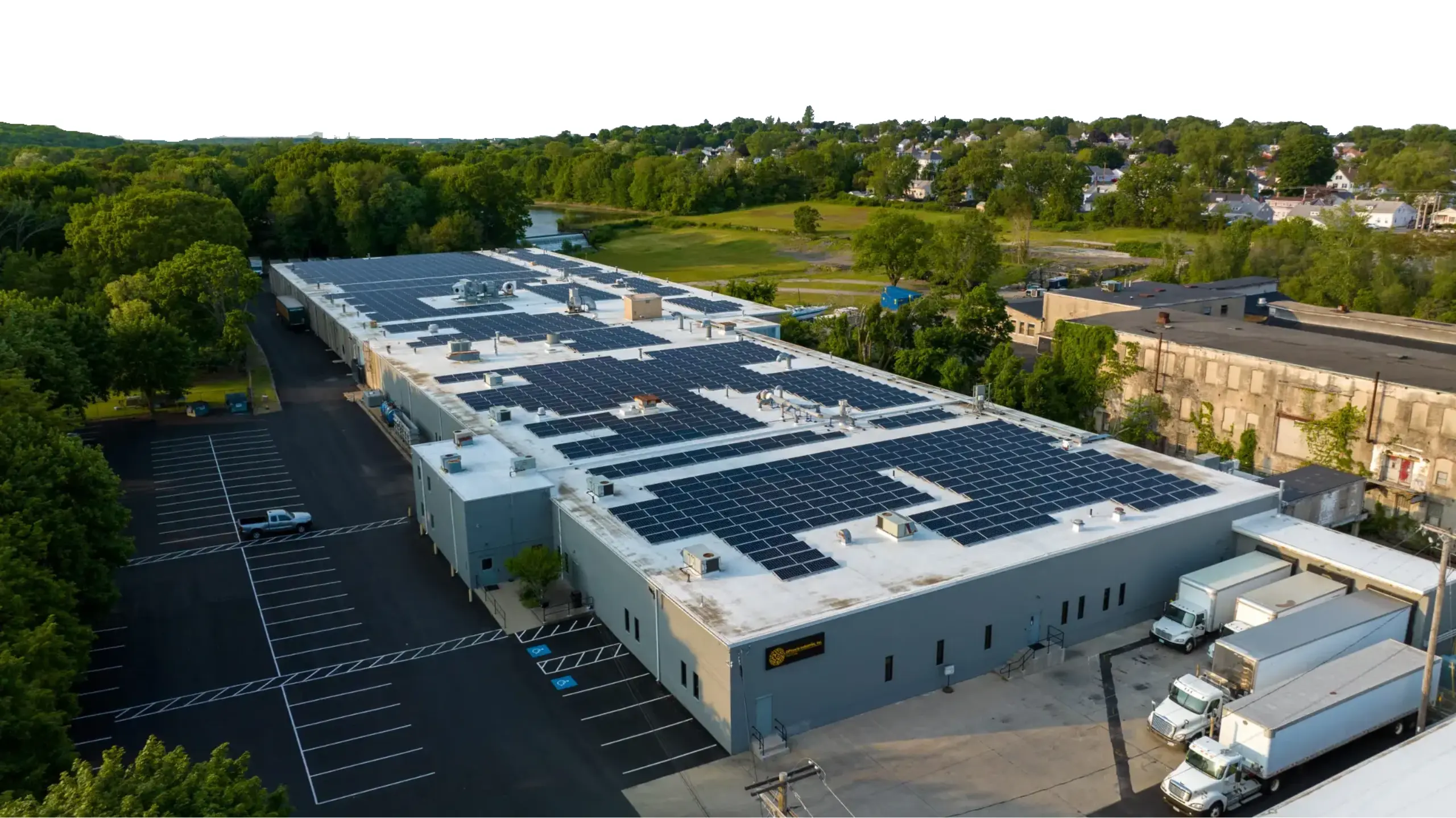
How a Providence Distribution Warehouse Cut Its Energy Bill by 69%