What Are Zero-Energy Homes?
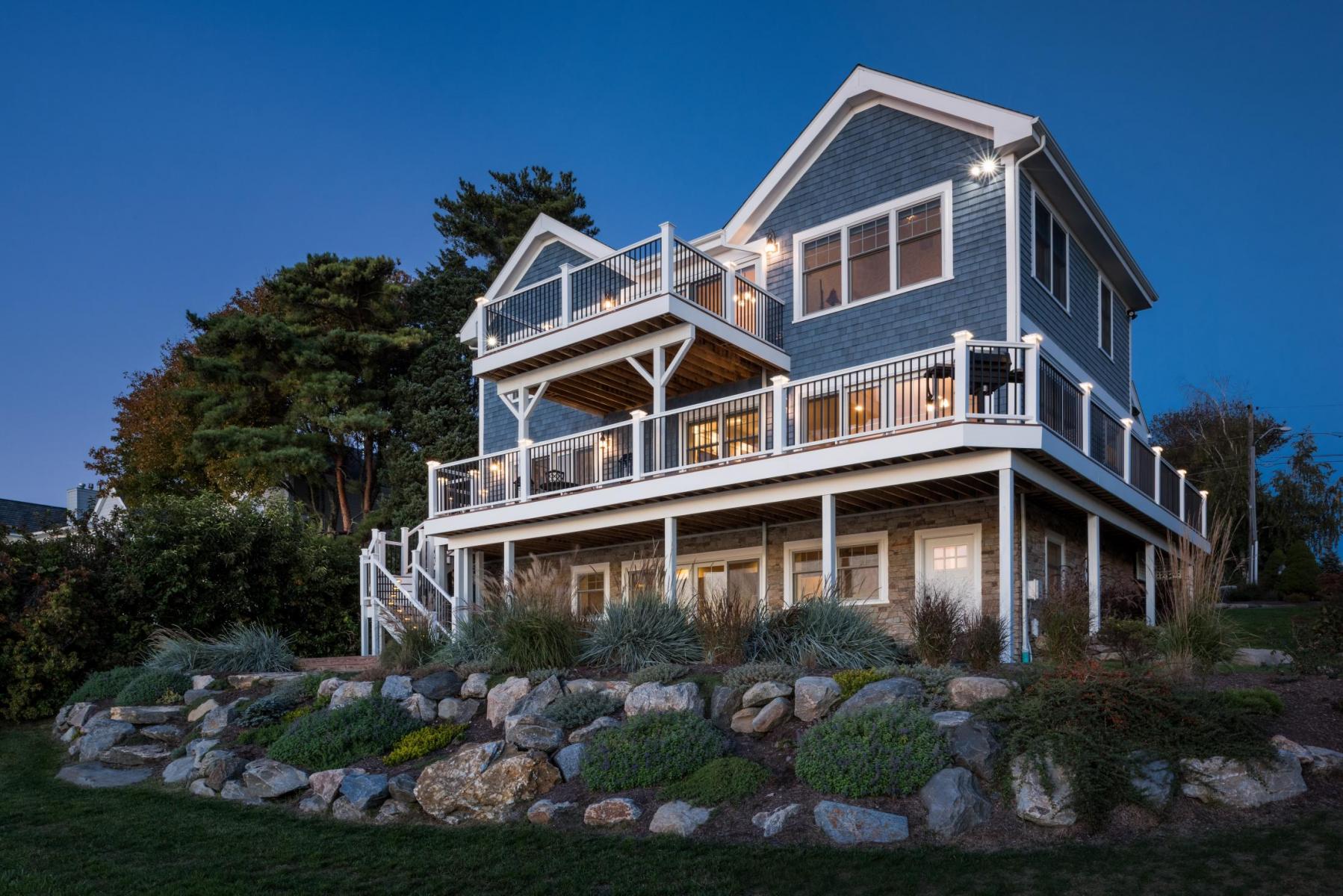
Zero-Energy?
Zero-energy homes are a growing trend in residential construction, designed to produce as much energy as they consume over a year. These homes combine advanced building practices, energy-efficient systems, and renewable energy technologies to minimize utility costs and environmental impact.
At their core, zero-energy homes are about maximizing efficiency and sustainability while providing comfort and long-term value to homeowners.
How Zero-Energy Homes Work
Zero-energy homes use a combination of efficient design, high-performance materials, and renewable energy systems to balance energy use and production. Key components include:
Energy-efficient building envelope: Well-insulated walls, high-performance windows, and airtight construction reduce heating and cooling needs.
Renewable energy generation: Solar panels or other on-site renewable sources produce electricity to offset household energy use.
Advanced HVAC and water systems: Heat pumps, energy recovery ventilators, and efficient water heaters minimize energy requirements.
By carefully integrating these elements, a zero-energy home can produce as much energy as it consumes over the course of a year, making it essentially self-sufficient in energy terms.
Benefits for Homeowners
Zero-energy homes provide several clear advantages:
Predictable energy costs: Generating your own energy stabilizes monthly utility bills.
Long-term savings: High efficiency and renewable energy integration reduce lifetime energy expenses.
Comfort and indoor quality: Advanced building techniques maintain consistent temperatures and air quality year-round.
Sustainable living: Zero-energy homes significantly reduce your environmental footprint.
These benefits make zero-energy homes an increasingly popular choice for homeowners seeking both financial and environmental returns.
Considerations for Zero-Energy Homes
While zero-energy homes are highly desirable, there are some factors to consider:
Upfront investment: High-performance construction and renewable systems can cost more initially than traditional homes.
Design and planning: Proper orientation, insulation, and system selection are critical to achieving zero-energy performance.
Maintenance and monitoring: Renewable energy systems and advanced equipment require occasional upkeep to maintain optimal performance.
Despite these considerations, the long-term benefits — including energy savings, comfort, and sustainability — often outweigh the initial costs.
The Takeaway
Zero-energy homes represent the future of sustainable home construction. By combining energy-efficient design, renewable energy, and high-performance systems, these homes provide financial, environmental, and lifestyle benefits to homeowners.
For those planning a new build, zero-energy homes offer a way to maximize comfort, reduce energy costs, and minimize environmental impact for decades to come.
Let's Chat
Start your next project with Newport Renewables.
OUR SERVICES
Work with Newport Renewables
We do two things, and we do them at full scale: commercial solar across Rhode Island and ground-up custom homes built to perform. Here's where you fit.
Commercial solar for your property or business?
We design and install solar for commercial buildings, warehouses, and income properties across Rhode Island — sized to your actual load, your roof or land, and the incentives available right now. The goal isn't just panels on a roof; it's a system that pays for itself and keeps producing for decades.
→ See how commercial solar works
Building a new custom home?
We design and build custom homes with integrated zero-energy systems from the ground up. When every component — orientation, envelope, electrical capacity, HVAC, solar, storage — is planned together instead of bolted on later, you get a home that's built for long-term performance and value.
→ Learn about our zero-energy home builds
316 Columbia St • Wakefield, RI 02879 | 401.619.5906




Copyright © 2024 Newport Renewables. All Rights Reserved.
316 Columbia St • Wakefield, RI 02879 | 401.619.5906
Copyright © 2024 Newport Renewables. All Rights Reserved.
What Are Zero-Energy Homes?
Zero-Energy?
Zero-energy homes are a growing trend in residential construction, designed to produce as much energy as they consume over a year. These homes combine advanced building practices, energy-efficient systems, and renewable energy technologies to minimize utility costs and environmental impact.
At their core, zero-energy homes are about maximizing efficiency and sustainability while providing comfort and long-term value to homeowners.
How Zero-Energy Homes Work
Zero-energy homes use a combination of efficient design, high-performance materials, and renewable energy systems to balance energy use and production. Key components include:
Energy-efficient building envelope: Well-insulated walls, high-performance windows, and airtight construction reduce heating and cooling needs.
Renewable energy generation: Solar panels or other on-site renewable sources produce electricity to offset household energy use.
Advanced HVAC and water systems: Heat pumps, energy recovery ventilators, and efficient water heaters minimize energy requirements.
By carefully integrating these elements, a zero-energy home can produce as much energy as it consumes over the course of a year, making it essentially self-sufficient in energy terms.
Benefits for Homeowners
Zero-energy homes provide several clear advantages:
Predictable energy costs: Generating your own energy stabilizes monthly utility bills.
Long-term savings: High efficiency and renewable energy integration reduce lifetime energy expenses.
Comfort and indoor quality: Advanced building techniques maintain consistent temperatures and air quality year-round.
Sustainable living: Zero-energy homes significantly reduce your environmental footprint.
These benefits make zero-energy homes an increasingly popular choice for homeowners seeking both financial and environmental returns.
Considerations for Zero-Energy Homes
While zero-energy homes are highly desirable, there are some factors to consider:
Upfront investment: High-performance construction and renewable systems can cost more initially than traditional homes.
Design and planning: Proper orientation, insulation, and system selection are critical to achieving zero-energy performance.
Maintenance and monitoring: Renewable energy systems and advanced equipment require occasional upkeep to maintain optimal performance.
Despite these considerations, the long-term benefits — including energy savings, comfort, and sustainability — often outweigh the initial costs.
The Takeaway
Zero-energy homes represent the future of sustainable home construction. By combining energy-efficient design, renewable energy, and high-performance systems, these homes provide financial, environmental, and lifestyle benefits to homeowners.
For those planning a new build, zero-energy homes offer a way to maximize comfort, reduce energy costs, and minimize environmental impact for decades to come.
OUR SERVICES
Work with Newport Renewables
We do two things, and we do them at full scale: commercial solar across Rhode Island and ground-up custom homes built to perform. Here's where you fit.
Commercial solar for your property or business?
We design and install solar for commercial buildings, warehouses, and income properties across Rhode Island — sized to your actual load, your roof or land, and the incentives available right now. The goal isn't just panels on a roof; it's a system that pays for itself and keeps producing for decades.
→ See how commercial solar works
Building a new custom home?
We design and build custom homes with integrated zero-energy systems from the ground up. When every component — orientation, envelope, electrical capacity, HVAC, solar, storage — is planned together instead of bolted on later, you get a home that's built for long-term performance and value.
→ Learn about our zero-energy home builds
316 Columbia St • Wakefield, RI 02879 | 401.619.5906
Copyright © 2024 Newport Renewables. All Rights Reserved.

What Are Zero-Energy Homes?
Zero-Energy?
Zero-energy homes are a growing trend in residential construction, designed to produce as much energy as they consume over a year. These homes combine advanced building practices, energy-efficient systems, and renewable energy technologies to minimize utility costs and environmental impact.
At their core, zero-energy homes are about maximizing efficiency and sustainability while providing comfort and long-term value to homeowners.
How Zero-Energy Homes Work
Zero-energy homes use a combination of efficient design, high-performance materials, and renewable energy systems to balance energy use and production. Key components include:
Energy-efficient building envelope: Well-insulated walls, high-performance windows, and airtight construction reduce heating and cooling needs.
Renewable energy generation: Solar panels or other on-site renewable sources produce electricity to offset household energy use.
Advanced HVAC and water systems: Heat pumps, energy recovery ventilators, and efficient water heaters minimize energy requirements.
By carefully integrating these elements, a zero-energy home can produce as much energy as it consumes over the course of a year, making it essentially self-sufficient in energy terms.
Benefits for Homeowners
Zero-energy homes provide several clear advantages:
Predictable energy costs: Generating your own energy stabilizes monthly utility bills.
Long-term savings: High efficiency and renewable energy integration reduce lifetime energy expenses.
Comfort and indoor quality: Advanced building techniques maintain consistent temperatures and air quality year-round.
Sustainable living: Zero-energy homes significantly reduce your environmental footprint.
These benefits make zero-energy homes an increasingly popular choice for homeowners seeking both financial and environmental returns.
Considerations for Zero-Energy Homes
While zero-energy homes are highly desirable, there are some factors to consider:
Upfront investment: High-performance construction and renewable systems can cost more initially than traditional homes.
Design and planning: Proper orientation, insulation, and system selection are critical to achieving zero-energy performance.
Maintenance and monitoring: Renewable energy systems and advanced equipment require occasional upkeep to maintain optimal performance.
Despite these considerations, the long-term benefits — including energy savings, comfort, and sustainability — often outweigh the initial costs.
The Takeaway
Zero-energy homes represent the future of sustainable home construction. By combining energy-efficient design, renewable energy, and high-performance systems, these homes provide financial, environmental, and lifestyle benefits to homeowners.
For those planning a new build, zero-energy homes offer a way to maximize comfort, reduce energy costs, and minimize environmental impact for decades to come.
OUR SERVICES
Work with Newport Renewables
We do two things, and we do them at full scale: commercial solar across Rhode Island and ground-up custom homes built to perform. Here's where you fit.
Commercial solar for your property or business?
We design and install solar for commercial buildings, warehouses, and income properties across Rhode Island — sized to your actual load, your roof or land, and the incentives available right now. The goal isn't just panels on a roof; it's a system that pays for itself and keeps producing for decades.
→ See how commercial solar works
Building a new custom home?
We design and build custom homes with integrated zero-energy systems from the ground up. When every component — orientation, envelope, electrical capacity, HVAC, solar, storage — is planned together instead of bolted on later, you get a home that's built for long-term performance and value.
→ Learn about our zero-energy home builds
Let's Chat
Start your next project with Newport Renewables.
316 Columbia St • Wakefield, RI 02879 | 401.619.5906
Copyright © 2024 Newport Renewables. All Rights Reserved.
316 Columbia St • Wakefield, RI 02879 | 401.619.5906
Copyright © 2024 Newport Renewables. All Rights Reserved.