Drawbacks of Building a Custom Home: What to Know Before You Build
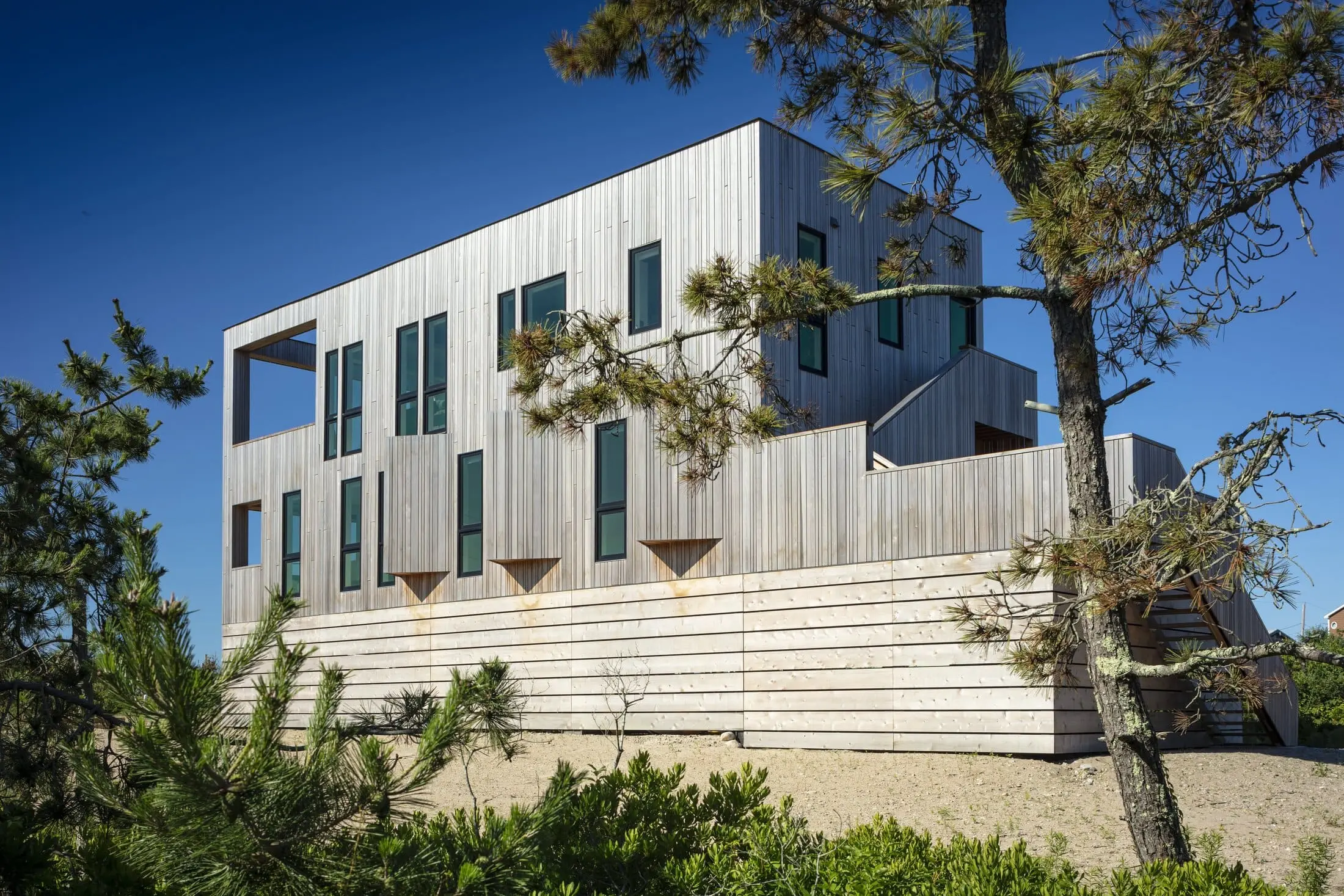
Building a custom home is an exciting opportunity to create a living space that fits your lifestyle, preferences, and needs perfectly. Custom homes offer unmatched flexibility, design freedom, and long-term value, but there are some considerations to keep in mind before starting the process.
Understanding potential drawbacks helps homeowners plan realistically and make informed decisions.
Higher Upfront Costs
Custom homes typically cost more initially than buying a pre-built home or standard production home. Factors that contribute to higher costs include:
Unique design features: Personalized layouts, premium materials, and custom finishes increase construction expenses.
Labor and materials: Specialized labor and high-quality materials often cost more than standard options.
Permitting and planning: Custom homes often require more extensive permits, inspections, and design approvals.
While the upfront investment is higher, many homeowners find that personalization and long-term efficiency justify the cost.
Longer Construction Timeline
Custom homes generally take longer to build than pre-built homes. Some reasons include:
Design and approval phase: Custom floor plans and architectural details require careful planning and review.
Material selection and sourcing: Unique materials or finishes may have longer lead times.
Construction complexity: Customized layouts and systems can extend building time compared to standard homes.
A longer timeline can be challenging for those who need to move quickly, but the result is a home built to your exact specifications.
More Decision-Making Required
With a custom home, homeowners are involved in nearly every aspect of the process. This includes:
Floor plans and layouts
Material and finish selections
Mechanical, HVAC, and energy systems
While this level of control allows for a truly personalized home, it also requires time, attention, and engagementthroughout the process.
Planning for Unforeseen Challenges
Even with experienced builders, custom home projects may encounter unexpected issues:
Site conditions: Soil, grading, and environmental factors can affect construction.
Budget adjustments: Changes in materials, labor, or design may require financial flexibility.
Permit or code delays: Local regulations can sometimes slow progress.
Being prepared for these challenges ensures a smoother building experience and helps homeowners stay confident in their decisions.
Why Custom Homes Are Still Worth It
Despite these considerations, custom homes offer benefits that often outweigh the drawbacks:
Complete control over design and layout
Opportunity to include energy-efficient systems and sustainable materials
Tailored solutions for lifestyle, accessibility, and future needs
Long-term value and market appeal
A well-planned custom home is not just a house — it’s an investment in comfort, efficiency, and lasting satisfaction.
Let's Chat
Start your next project with Newport Renewables.
OUR SERVICES
Work with Newport Renewables
We do two things, and we do them at full scale: commercial solar across Rhode Island and ground-up custom homes built to perform. Here's where you fit.
Commercial solar for your property or business?
We design and install solar for commercial buildings, warehouses, and income properties across Rhode Island — sized to your actual load, your roof or land, and the incentives available right now. The goal isn't just panels on a roof; it's a system that pays for itself and keeps producing for decades.
→ See how commercial solar works
Building a new custom home?
We design and build custom homes with integrated zero-energy systems from the ground up. When every component — orientation, envelope, electrical capacity, HVAC, solar, storage — is planned together instead of bolted on later, you get a home that's built for long-term performance and value.
→ Learn about our zero-energy home builds
316 Columbia St • Wakefield, RI 02879 | 401.619.5906




Copyright © 2024 Newport Renewables. All Rights Reserved.
316 Columbia St • Wakefield, RI 02879 | 401.619.5906
Copyright © 2024 Newport Renewables. All Rights Reserved.
Drawbacks of Building a Custom Home: What to Know Before You Build
Building a custom home is an exciting opportunity to create a living space that fits your lifestyle, preferences, and needs perfectly. Custom homes offer unmatched flexibility, design freedom, and long-term value, but there are some considerations to keep in mind before starting the process.
Understanding potential drawbacks helps homeowners plan realistically and make informed decisions.
Higher Upfront Costs
Custom homes typically cost more initially than buying a pre-built home or standard production home. Factors that contribute to higher costs include:
Unique design features: Personalized layouts, premium materials, and custom finishes increase construction expenses.
Labor and materials: Specialized labor and high-quality materials often cost more than standard options.
Permitting and planning: Custom homes often require more extensive permits, inspections, and design approvals.
While the upfront investment is higher, many homeowners find that personalization and long-term efficiency justify the cost.
Longer Construction Timeline
Custom homes generally take longer to build than pre-built homes. Some reasons include:
Design and approval phase: Custom floor plans and architectural details require careful planning and review.
Material selection and sourcing: Unique materials or finishes may have longer lead times.
Construction complexity: Customized layouts and systems can extend building time compared to standard homes.
A longer timeline can be challenging for those who need to move quickly, but the result is a home built to your exact specifications.
More Decision-Making Required
With a custom home, homeowners are involved in nearly every aspect of the process. This includes:
Floor plans and layouts
Material and finish selections
Mechanical, HVAC, and energy systems
While this level of control allows for a truly personalized home, it also requires time, attention, and engagementthroughout the process.
Planning for Unforeseen Challenges
Even with experienced builders, custom home projects may encounter unexpected issues:
Site conditions: Soil, grading, and environmental factors can affect construction.
Budget adjustments: Changes in materials, labor, or design may require financial flexibility.
Permit or code delays: Local regulations can sometimes slow progress.
Being prepared for these challenges ensures a smoother building experience and helps homeowners stay confident in their decisions.
Why Custom Homes Are Still Worth It
Despite these considerations, custom homes offer benefits that often outweigh the drawbacks:
Complete control over design and layout
Opportunity to include energy-efficient systems and sustainable materials
Tailored solutions for lifestyle, accessibility, and future needs
Long-term value and market appeal
A well-planned custom home is not just a house — it’s an investment in comfort, efficiency, and lasting satisfaction.
OUR SERVICES
Work with Newport Renewables
We do two things, and we do them at full scale: commercial solar across Rhode Island and ground-up custom homes built to perform. Here's where you fit.
Commercial solar for your property or business?
We design and install solar for commercial buildings, warehouses, and income properties across Rhode Island — sized to your actual load, your roof or land, and the incentives available right now. The goal isn't just panels on a roof; it's a system that pays for itself and keeps producing for decades.
→ See how commercial solar works
Building a new custom home?
We design and build custom homes with integrated zero-energy systems from the ground up. When every component — orientation, envelope, electrical capacity, HVAC, solar, storage — is planned together instead of bolted on later, you get a home that's built for long-term performance and value.
→ Learn about our zero-energy home builds
316 Columbia St • Wakefield, RI 02879 | 401.619.5906
Copyright © 2024 Newport Renewables. All Rights Reserved.

Drawbacks of Building a Custom Home: What to Know Before You Build
Building a custom home is an exciting opportunity to create a living space that fits your lifestyle, preferences, and needs perfectly. Custom homes offer unmatched flexibility, design freedom, and long-term value, but there are some considerations to keep in mind before starting the process.
Understanding potential drawbacks helps homeowners plan realistically and make informed decisions.
Higher Upfront Costs
Custom homes typically cost more initially than buying a pre-built home or standard production home. Factors that contribute to higher costs include:
Unique design features: Personalized layouts, premium materials, and custom finishes increase construction expenses.
Labor and materials: Specialized labor and high-quality materials often cost more than standard options.
Permitting and planning: Custom homes often require more extensive permits, inspections, and design approvals.
While the upfront investment is higher, many homeowners find that personalization and long-term efficiency justify the cost.
Longer Construction Timeline
Custom homes generally take longer to build than pre-built homes. Some reasons include:
Design and approval phase: Custom floor plans and architectural details require careful planning and review.
Material selection and sourcing: Unique materials or finishes may have longer lead times.
Construction complexity: Customized layouts and systems can extend building time compared to standard homes.
A longer timeline can be challenging for those who need to move quickly, but the result is a home built to your exact specifications.
More Decision-Making Required
With a custom home, homeowners are involved in nearly every aspect of the process. This includes:
Floor plans and layouts
Material and finish selections
Mechanical, HVAC, and energy systems
While this level of control allows for a truly personalized home, it also requires time, attention, and engagementthroughout the process.
Planning for Unforeseen Challenges
Even with experienced builders, custom home projects may encounter unexpected issues:
Site conditions: Soil, grading, and environmental factors can affect construction.
Budget adjustments: Changes in materials, labor, or design may require financial flexibility.
Permit or code delays: Local regulations can sometimes slow progress.
Being prepared for these challenges ensures a smoother building experience and helps homeowners stay confident in their decisions.
Why Custom Homes Are Still Worth It
Despite these considerations, custom homes offer benefits that often outweigh the drawbacks:
Complete control over design and layout
Opportunity to include energy-efficient systems and sustainable materials
Tailored solutions for lifestyle, accessibility, and future needs
Long-term value and market appeal
A well-planned custom home is not just a house — it’s an investment in comfort, efficiency, and lasting satisfaction.
OUR SERVICES
Work with Newport Renewables
We do two things, and we do them at full scale: commercial solar across Rhode Island and ground-up custom homes built to perform. Here's where you fit.
Commercial solar for your property or business?
We design and install solar for commercial buildings, warehouses, and income properties across Rhode Island — sized to your actual load, your roof or land, and the incentives available right now. The goal isn't just panels on a roof; it's a system that pays for itself and keeps producing for decades.
→ See how commercial solar works
Building a new custom home?
We design and build custom homes with integrated zero-energy systems from the ground up. When every component — orientation, envelope, electrical capacity, HVAC, solar, storage — is planned together instead of bolted on later, you get a home that's built for long-term performance and value.
→ Learn about our zero-energy home builds
Let's Chat
Start your next project with Newport Renewables.
316 Columbia St • Wakefield, RI 02879 | 401.619.5906
Copyright © 2024 Newport Renewables. All Rights Reserved.
316 Columbia St • Wakefield, RI 02879 | 401.619.5906
Copyright © 2024 Newport Renewables. All Rights Reserved.