Why Businesses Should Go Solar: Benefits, Savings, and Sustainability
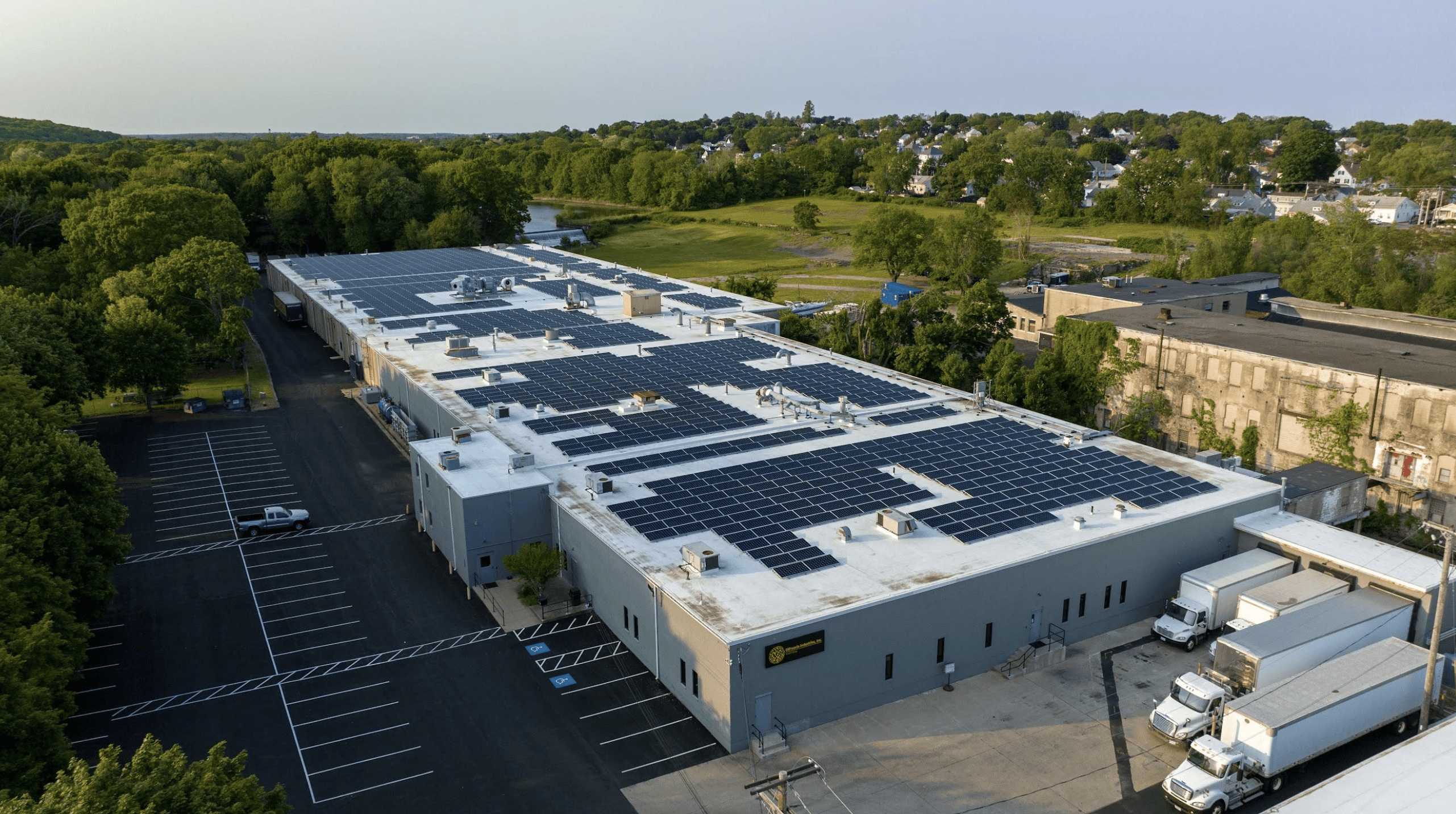
Why Businesses Should Go Solar: Benefits, Savings, and Sustainability
Solar energy is no longer just a residential trend — more and more businesses are adopting solar systems to reduce costs, improve sustainability, and strengthen their brand. With electricity prices rising and renewable energy incentives available, solar can be a smart financial and environmental decision for companies of all sizes.
How Solar Benefits Businesses
Installing solar panels can deliver immediate and long-term advantages to businesses:
Lower energy costs: Solar offsets electricity use, reducing monthly utility bills.
Predictable expenses: Producing your own power helps stabilize energy costs and budget forecasts.
Tax incentives and rebates: Federal and state programs can significantly reduce installation costs.
Environmental impact: Solar reduces carbon emissions and demonstrates a commitment to sustainability.
Businesses that adopt solar often see both direct financial returns and improved brand perception from customers, partners, and employees.
Financial Incentives for Businesses
Several programs make solar particularly appealing to businesses:
Federal Investment Tax Credit (ITC): Businesses can currently claim 30% of the solar system cost as a tax credit.
Depreciation benefits: Solar equipment can be depreciated through the Modified Accelerated Cost Recovery System (MACRS), further lowering tax liability.
State incentives: In Rhode Island, programs like net metering allow businesses to receive credits for excess energy sent back to the grid, reducing overall costs.
These incentives help shorten the payback period and increase the long-term ROI of solar installations.
Operational Advantages
Beyond cost savings, solar energy can improve business operations and efficiency:
Energy independence: Generating your own power reduces vulnerability to utility rate spikes.
Long-term stability: Solar systems typically last 25 years or more, providing decades of predictable energy.
Marketing and sustainability goals: Companies can highlight their solar adoption as part of corporate responsibility initiatives.
Solar is particularly attractive for businesses with high energy consumption, large rooftops, or strong sustainability goals.
Considerations Before Going Solar
While solar is highly beneficial, businesses should consider:
Initial investment: Solar installation can be costly upfront, though incentives help offset this.
Roof and site suitability: Solar efficiency depends on roof orientation, shading, and space availability.
Maintenance and monitoring: Systems require routine inspections to ensure optimal performance.
Proper planning and design help businesses maximize savings and energy production.
Long-Term Value
Solar energy provides predictable returns over decades. After installation costs are recovered, businesses essentially produce free electricity, improving profitability. Combining energy savings with environmental and branding benefits makes solar a strategic business decision.
At Newport Renewables, we’ve observed that businesses that adopt solar not only lower expenses but also develop their reputation as forward-thinking, sustainable organizations.
Let's Chat
Start your next project with Newport Renewables.
OUR SERVICES
Work with Newport Renewables
We do two things, and we do them at full scale: commercial solar across Rhode Island and ground-up custom homes built to perform. Here's where you fit.
Commercial solar for your property or business?
We design and install solar for commercial buildings, warehouses, and income properties across Rhode Island — sized to your actual load, your roof or land, and the incentives available right now. The goal isn't just panels on a roof; it's a system that pays for itself and keeps producing for decades.
→ See how commercial solar works
Building a new custom home?
We design and build custom homes with integrated zero-energy systems from the ground up. When every component — orientation, envelope, electrical capacity, HVAC, solar, storage — is planned together instead of bolted on later, you get a home that's built for long-term performance and value.
→ Learn about our zero-energy home builds
316 Columbia St • Wakefield, RI 02879 | 401.619.5906




Copyright © 2024 Newport Renewables. All Rights Reserved.
316 Columbia St • Wakefield, RI 02879 | 401.619.5906
Copyright © 2024 Newport Renewables. All Rights Reserved.
Why Businesses Should Go Solar: Benefits, Savings, and Sustainability
Why Businesses Should Go Solar: Benefits, Savings, and Sustainability
Solar energy is no longer just a residential trend — more and more businesses are adopting solar systems to reduce costs, improve sustainability, and strengthen their brand. With electricity prices rising and renewable energy incentives available, solar can be a smart financial and environmental decision for companies of all sizes.
How Solar Benefits Businesses
Installing solar panels can deliver immediate and long-term advantages to businesses:
Lower energy costs: Solar offsets electricity use, reducing monthly utility bills.
Predictable expenses: Producing your own power helps stabilize energy costs and budget forecasts.
Tax incentives and rebates: Federal and state programs can significantly reduce installation costs.
Environmental impact: Solar reduces carbon emissions and demonstrates a commitment to sustainability.
Businesses that adopt solar often see both direct financial returns and improved brand perception from customers, partners, and employees.
Financial Incentives for Businesses
Several programs make solar particularly appealing to businesses:
Federal Investment Tax Credit (ITC): Businesses can currently claim 30% of the solar system cost as a tax credit.
Depreciation benefits: Solar equipment can be depreciated through the Modified Accelerated Cost Recovery System (MACRS), further lowering tax liability.
State incentives: In Rhode Island, programs like net metering allow businesses to receive credits for excess energy sent back to the grid, reducing overall costs.
These incentives help shorten the payback period and increase the long-term ROI of solar installations.
Operational Advantages
Beyond cost savings, solar energy can improve business operations and efficiency:
Energy independence: Generating your own power reduces vulnerability to utility rate spikes.
Long-term stability: Solar systems typically last 25 years or more, providing decades of predictable energy.
Marketing and sustainability goals: Companies can highlight their solar adoption as part of corporate responsibility initiatives.
Solar is particularly attractive for businesses with high energy consumption, large rooftops, or strong sustainability goals.
Considerations Before Going Solar
While solar is highly beneficial, businesses should consider:
Initial investment: Solar installation can be costly upfront, though incentives help offset this.
Roof and site suitability: Solar efficiency depends on roof orientation, shading, and space availability.
Maintenance and monitoring: Systems require routine inspections to ensure optimal performance.
Proper planning and design help businesses maximize savings and energy production.
Long-Term Value
Solar energy provides predictable returns over decades. After installation costs are recovered, businesses essentially produce free electricity, improving profitability. Combining energy savings with environmental and branding benefits makes solar a strategic business decision.
At Newport Renewables, we’ve observed that businesses that adopt solar not only lower expenses but also develop their reputation as forward-thinking, sustainable organizations.
OUR SERVICES
Work with Newport Renewables
We do two things, and we do them at full scale: commercial solar across Rhode Island and ground-up custom homes built to perform. Here's where you fit.
Commercial solar for your property or business?
We design and install solar for commercial buildings, warehouses, and income properties across Rhode Island — sized to your actual load, your roof or land, and the incentives available right now. The goal isn't just panels on a roof; it's a system that pays for itself and keeps producing for decades.
→ See how commercial solar works
Building a new custom home?
We design and build custom homes with integrated zero-energy systems from the ground up. When every component — orientation, envelope, electrical capacity, HVAC, solar, storage — is planned together instead of bolted on later, you get a home that's built for long-term performance and value.
→ Learn about our zero-energy home builds
316 Columbia St • Wakefield, RI 02879 | 401.619.5906
Copyright © 2024 Newport Renewables. All Rights Reserved.

Why Businesses Should Go Solar: Benefits, Savings, and Sustainability
Why Businesses Should Go Solar: Benefits, Savings, and Sustainability
Solar energy is no longer just a residential trend — more and more businesses are adopting solar systems to reduce costs, improve sustainability, and strengthen their brand. With electricity prices rising and renewable energy incentives available, solar can be a smart financial and environmental decision for companies of all sizes.
How Solar Benefits Businesses
Installing solar panels can deliver immediate and long-term advantages to businesses:
Lower energy costs: Solar offsets electricity use, reducing monthly utility bills.
Predictable expenses: Producing your own power helps stabilize energy costs and budget forecasts.
Tax incentives and rebates: Federal and state programs can significantly reduce installation costs.
Environmental impact: Solar reduces carbon emissions and demonstrates a commitment to sustainability.
Businesses that adopt solar often see both direct financial returns and improved brand perception from customers, partners, and employees.
Financial Incentives for Businesses
Several programs make solar particularly appealing to businesses:
Federal Investment Tax Credit (ITC): Businesses can currently claim 30% of the solar system cost as a tax credit.
Depreciation benefits: Solar equipment can be depreciated through the Modified Accelerated Cost Recovery System (MACRS), further lowering tax liability.
State incentives: In Rhode Island, programs like net metering allow businesses to receive credits for excess energy sent back to the grid, reducing overall costs.
These incentives help shorten the payback period and increase the long-term ROI of solar installations.
Operational Advantages
Beyond cost savings, solar energy can improve business operations and efficiency:
Energy independence: Generating your own power reduces vulnerability to utility rate spikes.
Long-term stability: Solar systems typically last 25 years or more, providing decades of predictable energy.
Marketing and sustainability goals: Companies can highlight their solar adoption as part of corporate responsibility initiatives.
Solar is particularly attractive for businesses with high energy consumption, large rooftops, or strong sustainability goals.
Considerations Before Going Solar
While solar is highly beneficial, businesses should consider:
Initial investment: Solar installation can be costly upfront, though incentives help offset this.
Roof and site suitability: Solar efficiency depends on roof orientation, shading, and space availability.
Maintenance and monitoring: Systems require routine inspections to ensure optimal performance.
Proper planning and design help businesses maximize savings and energy production.
Long-Term Value
Solar energy provides predictable returns over decades. After installation costs are recovered, businesses essentially produce free electricity, improving profitability. Combining energy savings with environmental and branding benefits makes solar a strategic business decision.
At Newport Renewables, we’ve observed that businesses that adopt solar not only lower expenses but also develop their reputation as forward-thinking, sustainable organizations.
OUR SERVICES
Work with Newport Renewables
We do two things, and we do them at full scale: commercial solar across Rhode Island and ground-up custom homes built to perform. Here's where you fit.
Commercial solar for your property or business?
We design and install solar for commercial buildings, warehouses, and income properties across Rhode Island — sized to your actual load, your roof or land, and the incentives available right now. The goal isn't just panels on a roof; it's a system that pays for itself and keeps producing for decades.
→ See how commercial solar works
Building a new custom home?
We design and build custom homes with integrated zero-energy systems from the ground up. When every component — orientation, envelope, electrical capacity, HVAC, solar, storage — is planned together instead of bolted on later, you get a home that's built for long-term performance and value.
→ Learn about our zero-energy home builds
Let's Chat
Start your next project with Newport Renewables.
316 Columbia St • Wakefield, RI 02879 | 401.619.5906
Copyright © 2024 Newport Renewables. All Rights Reserved.
316 Columbia St • Wakefield, RI 02879 | 401.619.5906
Copyright © 2024 Newport Renewables. All Rights Reserved.